



Arabic videos & cartoons
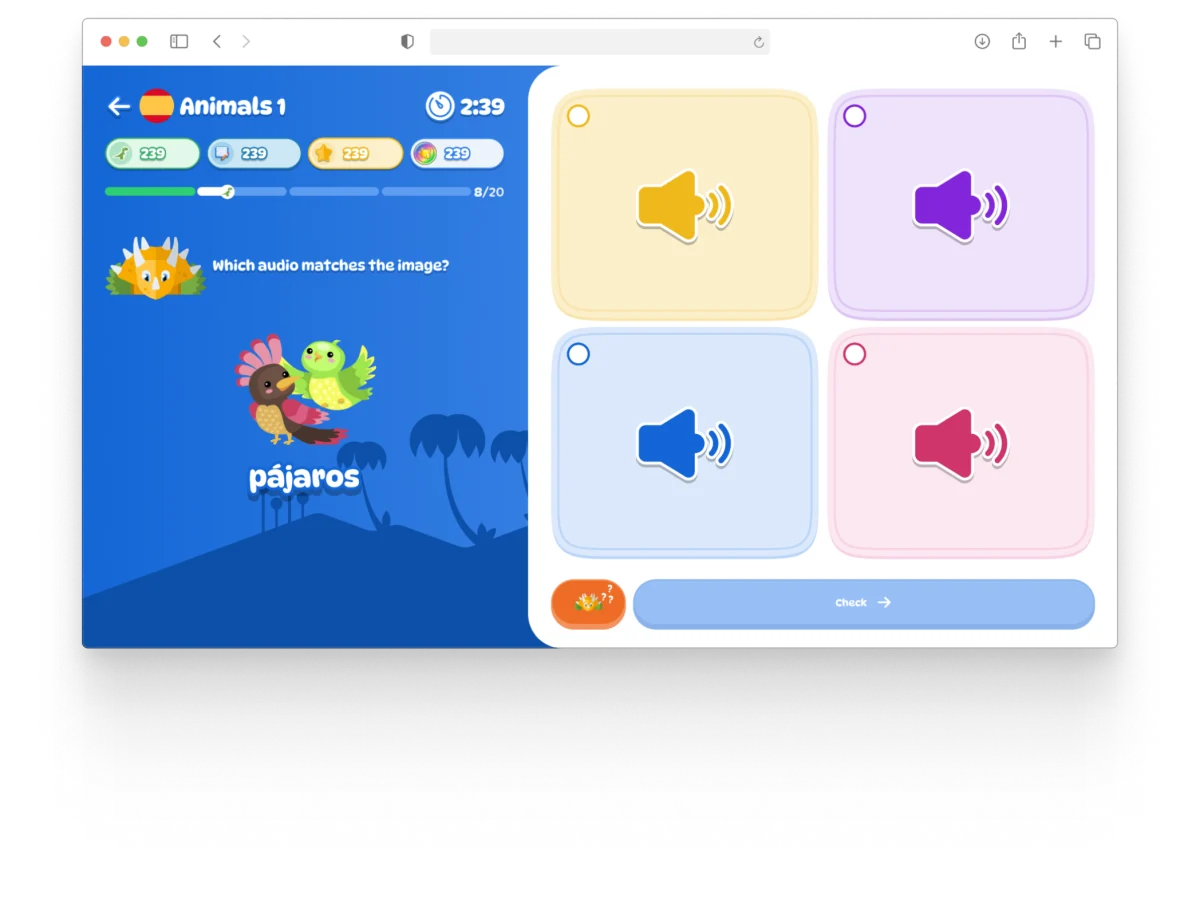
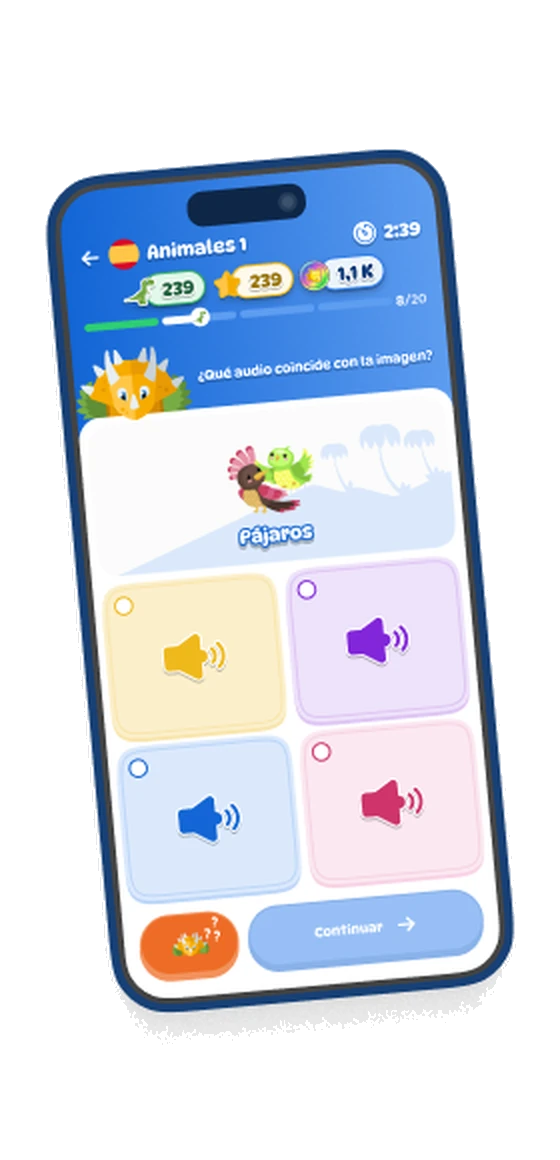
Arabic videos for kids and cartoons that build listening and speaking confidence with visual repetition.

Teach your child Arabic with Dinolingo's interactive Arabic learning app for kids. Games, videos, and activities make learning Arabic fun for ages 2–12.
One Dinolingo subscription includes all 50 languages.
 English
 Spanish
 French
 Italian
 German
 Japanese
 Portuguese
 Chinese
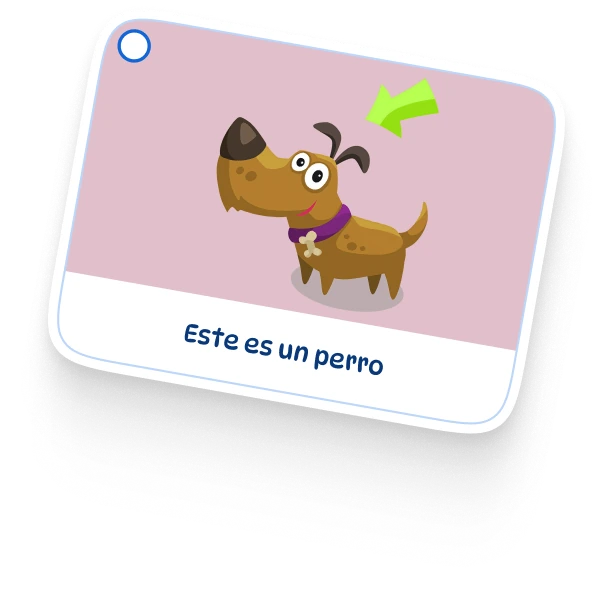
Kids enjoy interactive Arabic lessons with cartoon videos, songs, audiobooks, games, printable worksheets, and flashcards.
Arabic videos for kids and cartoons that build listening and speaking confidence with visual repetition.
Songs use rhythm and repetition to build pronunciation, memory, and easy Arabic fluency.
Every Arabic lesson ends with a quick quiz. Kids earn trophies, points, and stars, and you see real progress.
Games turn practice into play, perfect for Arabic for preschoolers and Arabic for PreK.
Posters, the Arabic alphabet, and hundreds of free downloadable Arabic worksheets to print and play offline.
Arabic audiobooks and stories for kids build comprehension, spark imagination, and support reading and writing skills.
Kids build Arabic vocabulary, conversations, reading, pronunciation, and grammar skills through fun daily activities.
1,250+ vocabulary words across animals, food, family, colors, numbers, body, clothes and home.
Greetings, introductions, and everyday conversations: saying hello, asking questions, and answering back in Arabic.
From the Arabic alphabet to short sentences to full storybooks. Guided reading with worksheets and flashcards for writing practice.
Verbs, articles, plurals and sentence structure introduced through repetition and short, clear examples. Never drills.
Animated videos, audiobooks and songs train the ear with real Arabic pronunciation from the very first lesson.
Classic fairy tales and fables in Arabic (Cinderella, The Tortoise and the Hare), plus nursery rhymes from around the world.
Every child learns Arabic a little differently depending on their age, learning style, and developmental stage.
Young children learn best through animated videos and songs. Flashcards and printable worksheets are also recommended to support offline learning.
Children in this age group benefit most from interactive games and activities. Tests and quizzes are recommended, while videos are optional.
Older learners benefit from quizzes, tests, and practice activities. Games are recommended, while videos are no longer emphasized.
Kids progress through structured Arabic lessons from beginner to advanced levels.
The beginner levels teach Arabic naturally through the alphabet, simple words, short phrases, repetition, songs, and games that build early language confidence. Lessons include animals, colors, numbers, family members, and other everyday vocabulary.
Focus: Vocabulary & AlphabetThe intermediate levels help children start conversations and form simple sentences through everyday topics and practical communication. Lessons include greetings, introductions “What is your name?”, “How old are you?”, and “Where are you from?” etc.
Focus: ConversationsThe advanced levels focus on guided reading and building reading fluency step by step. Children learn through sentences, classic stories, and fables while developing reading and writing skills. Lessons include world classics and traditional fables.
Focus: Stories & SongsRewards, stars, trophies, and dinosaurs make learning Arabic fun and motivating.
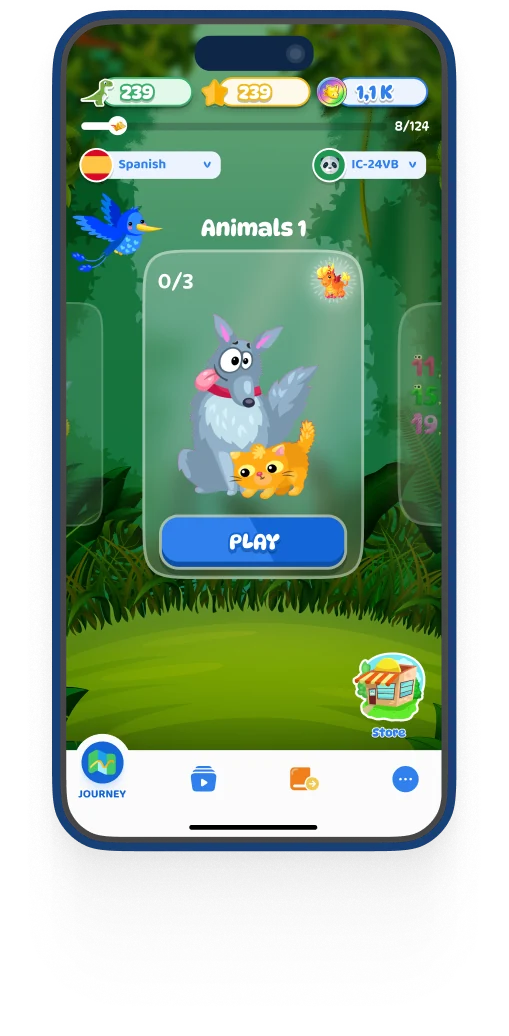
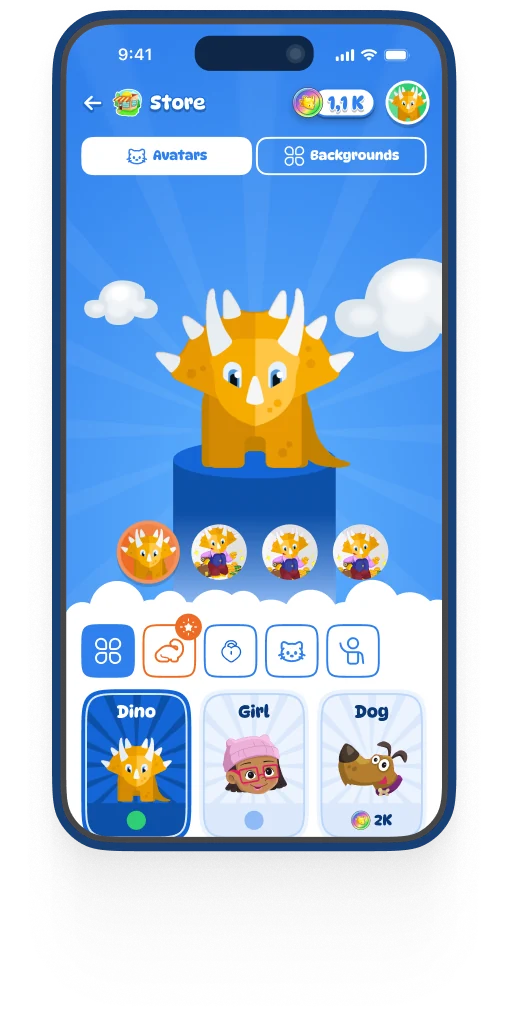
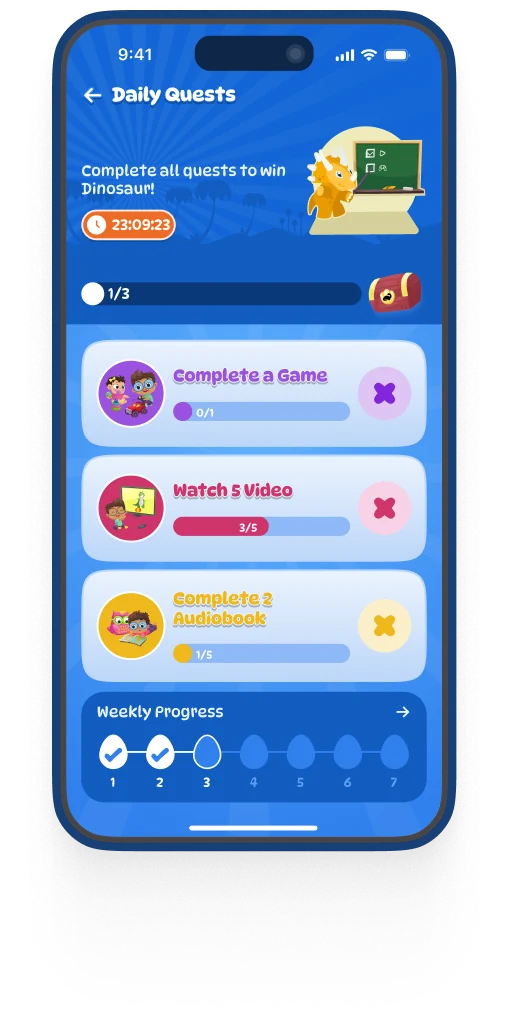
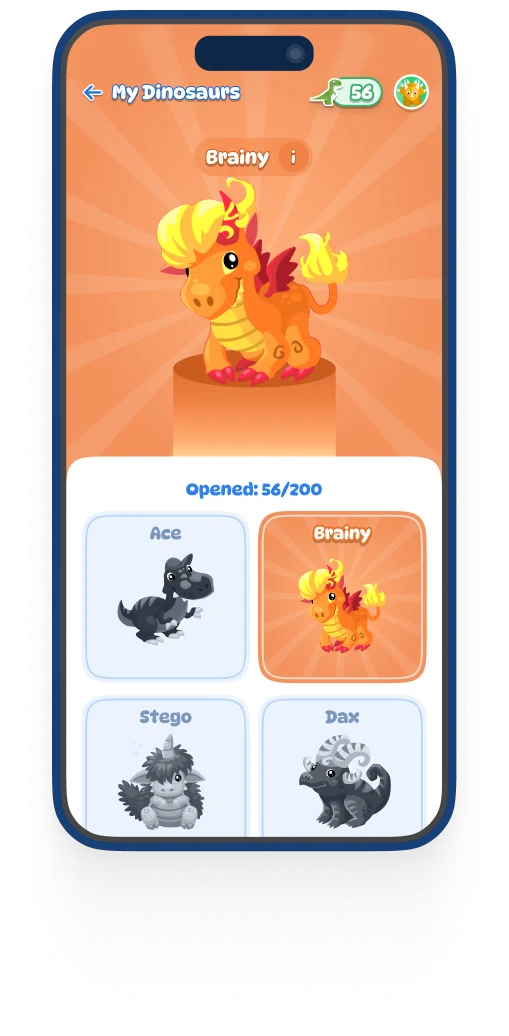
Here are a few reviews from real Dinolingo families.
“I cannot express how impressed I am with Dinolingo. My children are engaged and learning without even realizing it.”
“This app works very well even for my 11 year old. The teaching style is simple and logical.”
“My kids are 4 and 2 and this has been a great program that works for both of them.”
“Dinolingo has been one of the best learning platforms for my two boys ages 5 & 6.”
“I love how Dinolingo has so many languages to choose from. My child is progressing well.”
Since 2010, Dinolingo has been used by schools, libraries, and educational institutions worldwide.
Designed for Teachers.
Learn More About Schools





















No ads, and independently audited security — just a safe place for children to learn.
 SOC 2 Type II
Independently audited security controls protect every account, every lesson, every day.
View trust policy →Designed from day one for kids under 13. We follow U.S. federal child privacy law, end to end.
Zero ads. Zero pop-ups. Zero chats. No third-party trackers targeting your child.
Delete your child's account and data any time, in one tap. We never sell personal data.
All Arabic lessons, songs, videos, games, books, and worksheets. Try Today. Cancel anytime.
Add up to 6 children
Billed $199/year · Cancel anytime
For Classrooms & Remote Learning
Starting from $499/year (Billed Annually)
Built for kids ages 2 to 12, Arabic for toddlers, preschoolers, elementary, and high school. Lessons adapt as your child grows, from first words to full sentences.
Not at all. Pre-readers learn through Arabic songs, videos, and pictures. Older kids unlock written Arabic, the alphabet, and short sentences as they progress.
Each Arabic lesson is short, about 5 to 10 minutes. Most families do one or two a day. Plenty for steady progress without becoming another screen-time fight.
Dinolingo's Arabic curriculum covers vocabulary, the alphabet, numbers, greetings, and daily phrases, progressing from first words to sentences. Parents track listening, reading, and speaking gains for every lesson.
Zero ads. Zero pop-ups. Zero chats. Dinolingo is a kid-safe environment with full privacy safeguards, COPPA-compliant and SOC 2 certified.
One family subscription is $16.58 per month billed annually at $199 per year, or $19 per month billed monthly. It covers up to 6 children with all 50 languages included. Every plan starts with a free trial, and you can cancel anytime.
Yes, cancel anytime, in one tap. The 7-day free trial is risk-free with no obligation, and your child's progress stays saved if you ever come back.
7-day free trial. Full access to Arabic lessons, songs, games & worksheets. Cancel anytime.
Try for Free Available on iPhone, iPad, Android, and the web.