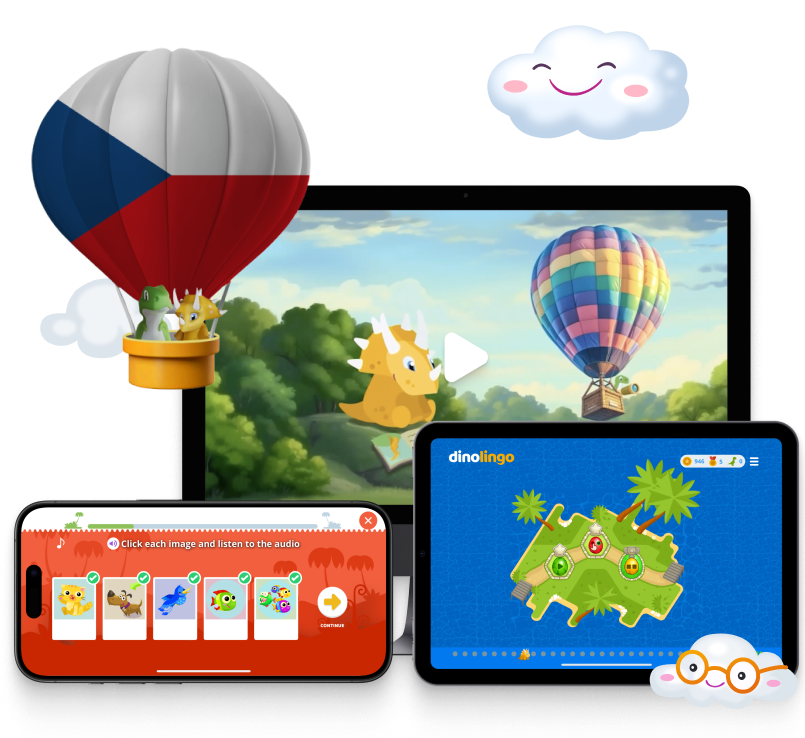
The Czech Republic is a country packed with castles, music, magical fairy tales, hearty food, and a language full of playful sounds. For kids learning Czech, the very best way in is to connect new words with the real culture behind them. This guide gathers amazing facts, easy words, songs, games, recipes, customs, and teaching tips into one fun adventure your whole family can explore together.
Amazing Facts Every Kid Should Know
Castles Everywhere!
The Czech Republic has more than 2,000 castles, one of the highest numbers in the world. Some are fully restored, while others are ruins perfect for imagination and adventure.
A Country That Loves Beer
Believe it or not, Czech people drink more beer per person than anyone else in the world. Of course, kids can learn about this tradition as part of the culture, not the drink!
Czech Is the Official Language
People in the Czech Republic speak Czech, a Slavic language with its own grammar and alphabet. It might sound tricky at first, but it is fun to learn step by step.
What Do People Believe In?
More than half of the Czech population, around 59%, do not follow a religion. About 27% are Roman Catholic, and a smaller group are Protestant.
Beautiful National Parks
Nature is a big part of life in the Czech Republic. The country has four amazing national parks:
- Krkonoše National Park
- Šumava National Park
- Podyjí National Park
- Czech Switzerland (České Švýcarsko) National Park
Some are also UNESCO Biosphere Reserves!
Famous Tennis Player
Tennis legend Martina Navratilova was born in the Czech Republic. She is one of the most successful female athletes of all time.
What Makes Czech One of Europe’s Most Unique Languages
Czech might sound like a secret code to some, but for kids it is a fun and fascinating language to explore. With its own alphabet, exciting grammar, and musical sounds, Czech stands out in Europe for many cool reasons.
It Uses the Latin Alphabet with a Twist
Czech uses the same alphabet as English, but adds special marks like č, š, and ž. These help show how to pronounce each letter. Once you get the hang of it, it is like cracking a puzzle!
Words Can Change a Lot
Czech is known for having endings that shift depending on what you are saying. For example, “pes” (dog) can turn into “psa” or “se psem.” It is like building blocks that help kids understand how language works.
It’s Full of Cool Sounds
There are unique sounds in Czech you will not find in English, like the letter “ř,” which even grown-ups find tricky. Trying out these sounds makes learning fun and memorable.
Discovery Activities
Czech Sound Safari: Pick five Czech letters with special marks (like š or ř) and listen to how they sound. Try saying them with a silly voice!
Language Detective Game: Look at words in Czech and English. Can your child spot any similarities or differences? Keep score for fun.
Try This Tongue Twist: The Czech “Ř” Challenge
The Czech letter ř is unlike anything in English, it is a real tongue-twister! But with some playful practice, kids can learn to say it like a pro. Think of it as a mix between the “r” in “river” and the “s” in “pleasure.” It rolls like an “r” but buzzes like a “zh.”
Czech words like třešeň (cherry) and dobře (well) are great practice tools. Here are a few tips for saying ř:
- Start by saying “r” and “zh” back-to-back.
- Practice with easy words like řeka (river).
- Smile while saying it, it actually helps your mouth shape!
Ř Sound Safari: Go on a hunt for words with “ř” in Czech books or videos. Try saying them out loud with a funny voice. Mirror Challenge: Stand in front of a mirror and practice saying “dobře” five times fast. Can you keep a straight face?
Easy Czech Words for Everyday Things
The best way for kids to learn a new language is to start with the things they see and use every day. Czech is full of fun, clear-sounding words that kids can easily connect to their daily routines. Familiar words help children recognize patterns, sounds, and meanings, and they give more chances to practice during play and mealtime. Here are some useful words your child can start using right away:
- hračka – toy
- kniha – book
- stůl – table
- židle – chair
- pes – dog
- kočka – cat
- voda – water
- mléko – milk
Label It! Place sticky notes on common items around the house with their Czech names, and say each one together. Toy Talk Time: Have a favorite toy “speak” a few Czech words like hračka or pes in a pretend game.
Say It Sweetly: How to Be Polite in Czech
Learning polite words in any language is a wonderful way to connect with others, and Czech is no exception! From saying hello to giving thanks, kids can use these friendly phrases every day. Good manners go a long way: when kids learn to say please and thank you in another language, they not only practice vocabulary but also build social confidence and cultural awareness.
- Dobrý den – Hello / Good day
- Prosím – Please
- Děkuji – Thank you
- Na shledanou – Goodbye
- Omlouvám se – I’m sorry
These words are short, sweet, and full of kindness, perfect for little learners who want to show respect and friendliness in Czech. Greeting Game: Play a game where kids say “Dobrý den” and “Na shledanou” to family members or stuffed animals. Kindness Card Craft: Create small cards with phrases like “Děkuji” and decorate them to give to friends or family.
The Magic of Czech Words, Spells, and Folklore
Czech is a language full of charm, especially when you explore its connection to magic, stories, and silly tongue twisters. Kids love the playful sound of Czech words, and learning through fun themes makes them stick.
Magical Words from Czech Myths and Tales
In old Czech stories, you will hear words like:
- kouzlo – magic/spell
- drak – dragon
- princezna – princess
- zámek – castle
- rytíř – knight
These words appear in fairy tales and games, giving kids a way to imagine while they learn.
Tongue Twisters That Make You Giggle
Czech is known for tricky sounds, and tongue twisters (called jazykolamy) are a fun challenge. Here is one to try: “Strč prst skrz krk,” which means “Stick your finger through your neck.” It sounds silly but is a favorite for practicing pronunciation. Twister Time: Try saying jazykolamy together and see who can say them the fastest without messing up!
Famous Characters in Czech Folklore
Czech folklore is full of magical creatures, clever heroes, and lessons passed down for generations. One of the most beloved characters is the clever Honza, a simple boy who always finds a smart way out of trouble. Then there is the vodník (water spirit), who lives near lakes and rivers, and the mysterious ježibaba, an old witch who sometimes helps and sometimes tricks! These stories teach bravery, kindness, and creative thinking, and they bring a bit of magic into everyday learning.
Folklore Words to Know
- pohádka – fairy tale
- drak – dragon
- čarodějnice – witch
- hrdina – hero
- zámek – castle
Story Spellbook: Have your child make a magic book filled with Czech fairy tale words and their meanings. Create a Folklore Puppet Show: Use paper puppets to tell a short fairy tale in English and add Czech words like drak or zámek. Draw Your Own Ježibaba: Kids can design their own funny or spooky witch and name her using Czech words.
Traditional Instruments, Songs, and Sounds
Music is an important part of life in the Czech Republic. From village festivals to big cities like Prague, music helps people celebrate, tell stories, and express feelings. Traditional Czech music uses special instruments that are often handmade with great care.
Traditional Sounds and Instruments
Czech instruments are not just tools for music, they are pieces of art. Many are handmade from wood that comes from trees over 100 years old, because musicians believe this kind of wood makes the best sound. Some of the most common instruments include fiddles, drums, and accordions, and interestingly, the saxophone is also popular in Czech music. These instruments are used in folk music, which tells stories about life, love, nature, and history. Folk songs are often passed down from grandparents to grandchildren, keeping Czech traditions alive.
Different Music Styles
Even though folk music is very important, people in the Czech Republic enjoy many other types of music too:
- Modern music
- Jazz
- Blues
- Alternative music
Young people often listen to the same pop or rock music that kids in other countries enjoy. Thanks to the internet and radio, they can explore music from all over the world.
The Czech Underground Movement
One very special part of Czech music history is the “Underground Movement.” This was a time in the 1960s when some musicians used music to speak out against unfair rules and limits from the government. Instead of following strict ideas of society, they wrote songs about freedom, creativity, and change. Even though the government did not like it, this music became very powerful. It showed that music could be more than entertainment: it could be a voice for people who wanted to be heard.
Learn Czech Through Songs
Songs make new words stick, improve pronunciation, and bring smiles to young learners’ faces. Repetition and rhythm help children remember vocabulary without even trying, and when they sing, they hear the natural flow of the language and pick up patterns they might miss in regular lessons. Here are some cheerful words that often appear in Czech children’s songs:
- slunce – sun
- květina – flower
- píseň – song
- tanec – dance
- pták – bird
Sing-Along Time: Choose a simple Czech children’s song, play the music, and sing together with hand motions or claps to match the rhythm. Make Your Own Music Video: Record your child singing a Czech song and acting out the lyrics. It is a fun way to build confidence and share what they have learned.
Tasting Czech Traditions: Food Kids Will Love
Food is a big part of Czech culture, and traditional Czech meals are full of rich flavors, hearty ingredients, and delicious sweets. Even though modern Czech people are trying to eat more healthily, many still enjoy the classic dishes loved for generations.
What Do People Eat in the Czech Republic?
A classic Czech meal often includes roast pork, sauerkraut (sour cabbage), and dumplings, a favorite all over the country. Main dishes usually come with comforting sides like soups, potatoes, dumplings, or bread, and many families have recipes passed down through generations. Popular soups include:
- Potato soup
- Garlic soup
- Chicken noodle soup
Common main dishes include roasted chicken, pork, beef, or fish. Some types of meat are saved for special times of the year. For example, carp (a type of fish) is usually served around the Christmas holidays. Side dishes and appetizers often include:
- Boiled, roasted, or mashed potatoes
- Bread and rice
- Dumplings (a Czech favorite!)
Czech Desserts: Sweet and Homemade
Czech people also love sweet treats. If it is made with sweet bread or filled with fruit, chances are it is a popular dessert in the Czech Republic. Kids especially enjoy pancakes (called palačinky), fruit-filled dumplings, and sugar dumplings. Other sweet snacks include:
- Strawberry cookies
- Yeast cakes
- Poppy seed or vanilla cakes
- Vanilla crescents and nut-filled cookies
Desserts are often served at family gatherings or holidays, and many have simple ingredients and homemade charm.
Easy Czech Recipes to Try at Home
Want to cook like you are in the Czech Republic? Here are a few simple recipes children and families can enjoy making together.
Yeast Dumplings
Ingredients:
- 1/2 package dry yeast
- 1 cubed bread roll
- 2 cups warm water
- 4 cups flour
- 1 egg
- 1 teaspoon sugar
- 2 tablespoons salt
Directions:
- Dissolve yeast and sugar in warm water.
- In a large bowl, mix flour, salt, egg, and the cubed bread. Add the yeast mixture once it rises.
- Knead well for 10 minutes, form into 4 rolls, and let them rise.
- Boil salted water and cook 1 to 2 rolls at a time for about 20 minutes.
- Check with a toothpick; if they are light and puffy, they are ready!
Czech Pancakes (Palačinky)
Ingredients:
- 2 eggs
- 3 tablespoons sugar
- 2 cups flour
- 2 cups milk
- Pinch of salt
- 1/4 cup butter
- Optional: fresh fruit, chocolate spread
Directions:
- Mix eggs, sugar, salt, milk, and flour until smooth.
- Heat a non-stick pan, add butter, and pour in the batter to make thin pancakes.
- Fry on both sides and spread with any filling you like: fruit, jam, or Nutella!
Garlic Cheese Dip
Ingredients:
- 2 tablespoons mayonnaise
- 1 tablespoon sour cream
- 3 minced garlic cloves
- 1/2 cup shredded cheese
Directions:
- Mix all ingredients in a bowl.
- Use a garlic press to crush garlic right into the mix.
- Stir well and enjoy with bread, crackers, or veggies.
Speak Czech in the Kitchen
The kitchen is not just for cooking, it is a great place for learning! With smells, colors, and tasty treats all around, kids can pick up Czech words that connect to their everyday lives. Cooking together is a great way for children to learn more about a culture, and as they prepare and taste dishes they also learn Czech food words, ingredients, and expressions. Start with simple and useful words like:
- chleba – bread
- mléko – milk
- máslo – butter
- lžička – spoon
- talíř – plate
Label the Pantry: Make small labels with Czech food names and stick them on kitchen items like mléko (milk) or jablko (apple). Turn everyday objects into flashcards! Chef for a Day: Let your child help prepare a simple dish, using Czech words for ingredients and tools along the way, and pretend you are running a Czech café.
Czech Children’s Games
In every culture, children love to play games that make them laugh, run, and have fun together. When children learn about traditional games, they also learn about the culture, language, and values of a country.
Why Kids Love Pesek
One popular traditional game from the Czech Republic is called Pesek. It is very similar to the game known as Duck-Duck-Goose in many English-speaking countries. To start, all the children sit down in a big circle, facing each other, and one child is chosen to be “it.” This child walks slowly around the outside of the circle, singing a little song or saying something playful, and gently taps the heads of the other children. When the child decides to choose someone, they tap a child and start to run. The tapped child quickly stands up and tries to catch the one who is “it.” If they catch them before they can sit down in the empty spot, the game starts again with the same person being “it.” If not, the tapped child becomes the new “it,” and the fun continues. This game does not have a winner or a finish line: it can go on for as long as the children want to play.
Pesek is loved by children because:
- It is easy to learn and play with any number of friends
- It includes running, laughter, and surprises
- It does not need any special tools or toys
- It can be played indoors or outdoors
Games like Pesek help children learn to take turns, follow rules, and work together. They also build friendships and create joyful memories.
Czech Customs and Everyday Manners
Every culture has its own special traditions, and the Czech Republic is no different. Czech people are known for being polite and respectful, and their home traditions reflect this warmth. Exploring these customs is fun for kids learning the language, especially when visiting friends or family.
Visiting a Czech Home
When someone is invited to another person’s house, it is a kind gesture to bring a small gift, such as a bouquet of flowers or a box of sweet treats like chocolates or pastries. It shows appreciation and thoughtfulness. Once you arrive, do not forget to take off your shoes at the door. Most Czech homes have slippers for guests to wear indoors, which helps keep homes clean and is seen as a polite tradition.
Manners and Personal Space
Czech people often stand or sit closer to each other than in some other countries, like the United States or Canada. It is part of their culture and shows friendliness. However, when meeting someone for the first time, greetings tend to be more formal. People usually shake hands and do not use first names unless they know each other well or are part of the same family.
Mealtime Traditions
During family meals or celebrations, the oldest woman or a special guest is often served first. This is a way of showing respect and honoring others. These traditions teach children the importance of kindness and manners in daily life.
Festivals and Celebrations
Czech holidays are full of fun, colors, and unique traditions that kids will love to learn about. Whether it is the sparkle of fireworks or the joy of dancing in the streets, there is always something special happening throughout the year.
New Year’s Celebrations
In the Czech Republic, New Year’s Eve is a big event. While tourists fill the streets of Prague, many local families head to the mountains to celebrate in the snow. No matter where people are, they enjoy fireworks, special meals, and time with loved ones to welcome the new year.
Folklore Festival
This festival celebrates the culture and history of Prague. For three exciting days, the streets come alive with traditional music, dancing, crafts, and delicious food. It is like stepping back in time to enjoy the heart of Czech heritage.
Easter Traditions
Easter in the Czech Republic is very unique! On this day, boys gently chase girls with braided willow branches, which is believed to bring health and beauty for the whole year. In return, the girls give the boys a painted egg as a gift. It is a fun way to share joy and color in the springtime.
Children’s Day (Den dětí)
June 1st is a very special day for kids in the Czech Republic: it is Children’s Day, known as Den dětí. Families come together to celebrate the happiness, health, and well-being of children. Many parents take time off work to spend the day with their kids, visiting local parks where special carnivals, games, music, puppet shows, face painting, and creative crafts are held. Some families also visit local churches to honor the value of children in society. Schools may organize small parties or outings, and children often receive little gifts, sweets, or ice cream as a treat. Beyond the fun, the day sends a message of peace and harmony, reminding everyone that children deserve safety, happiness, and a bright future.
Best Methods to Teach Children Czech
Helping children learn Czech can be both exciting and rewarding. With the right combination of daily activities, creativity, and support, kids can enjoy the process and build lasting language skills. Here are many engaging ways to bring Czech into your child’s everyday life.
Make Reading Time Special
Books with colorful illustrations are perfect for young learners. Choose storybooks in Czech and explore them together. Let your child guess new words from pictures, use different voices for characters, and encourage them to retell or change the story. This boosts both imagination and vocabulary.
Use Toys and Puppets to Encourage Speaking
Transform your child’s favorite plush toy into a Czech-speaking puppet. Puppets help develop motor skills while making language practice playful and fun. You can also use them for retelling familiar stories or songs in Czech.
Turn Everyday Trips into Learning Adventures
A visit to the zoo becomes a language lesson when you name animals in Czech. Add descriptive words like colors or sizes, then draw pictures at home and describe them using the new vocabulary. Grocery shopping, park visits, or cooking Czech recipes together are also great opportunities to introduce language naturally.
Practice Numbers and Phrases through Games
Classic games like hide and seek help children practice counting in Czech. Dice games, board games like snakes and ladders, or card games such as Go Fish and Memory are fantastic for reviewing vocabulary and reinforcing sentence structures.
Create a Language-Rich Environment at Home
Label items around the house in Czech. Use flashcards during games or display them on the fridge. Decorate your child’s room with learning posters or pictures of Czech cities, animals, or food. Keep a picture dictionary or alphabet book handy for daily exploration.
Celebrate Progress and Set Fun Goals
Track progress with a simple goal chart and reward your child with stickers, praise, or a high-five. Make monthly goals or “word of the day” activities. Children stay motivated when they see how much they are learning and feel recognized for their efforts.
Explore Czech Culture and Build a Support Community
Look for books about Czech traditions, dances, holidays, and foods, attend Czech cultural events, visit Czech restaurants or supermarkets, or cook traditional meals at home. You can also join online groups of parents teaching their kids Czech, arrange playdates with other learners, or video chat with Czech-speaking friends and family. Grandparents, babysitters, or nannies who speak Czech can also support language use at home.
Try Digital Tools and Keep It Playful
Streaming radio, online language games, and learning videos offer flexible ways to practice. Use Spotify or Last.fm to play Czech songs in the background, and let your child create playlists with language tutorials or kids’ content. Encourage your child to keep a notebook just for learning Czech, filled with drawings, new words, and favorite phrases. Play games like hopscotch, clapping games, or rock-paper-scissors in Czech, and even lullabies at bedtime can become part of the daily routine. For families wanting consistency, summer camps, homeschooling programs, or simple online curricula can keep learning structured. Teaching your child Czech does not have to be complicated: start with small steps, stay consistent, and let curiosity lead the way.
Learn While Having Fun with Dinolingo
Music, games, food, folklore, and festivals all bring a new culture to life, and they are some of the best ways for children to connect with the Czech language naturally. With Dinolingo, children can explore Czech language and culture through interactive games, videos, songs, and stories that make learning exciting and easy. Designed for kids ages 2 to 14, Dinolingo offers lessons in over 50 languages, and one subscription works for up to six users on web, iOS, or Android. It also includes offline materials like printable flashcards, worksheets, and recipe cards, plus a parent dashboard to track progress while kids earn badges and rewards. Start your adventure with Dinolingo today!