
Why Videos Are Great for Learning Languages
Videos are a fun and powerful way to help children learn new languages. They show colorful pictures, interesting characters, and real-life situations that make learning exciting. Children often enjoy watching videos, and when those videos are made for language learning, it feels more like play than school.
Learning with Eyes and Ears
Many children learn better when they can see and hear something at the same time. That’s what makes videos special. Instead of just reading words, children can see how people talk, move, and react in real conversations. The sound of words and the images on the screen help them understand and remember better.
Learning in Real Situations
Sometimes it’s hard for kids to understand how a word is used just by reading it. But when they see a character say “hello” or “thank you” in a video, they learn what it really means and how to say it. Videos show how people use language in everyday life—at the store, at home, or at school.
Repeating Helps Remember
In videos, words and phrases often come up again and again. This repetition helps children remember what they’ve learned. If a song uses the same word many times, kids will start singing it too, without even trying to memorize it.
Just the Right Length
Many children have short attention spans, so it’s important that lessons are not too long. Short video clips are just right. They keep children focused and entertained without tiring them. One short video a day can help kids make big progress.
Fun and Learning Together
When children are laughing at a cartoon or dancing to a song, they don’t even realize they’re learning. Videos with fun stories, music, and animation make children want to come back and watch more. This makes learning a language something they look forward to.
Learning Anywhere
Videos are easy to watch at home, in the car, or while waiting at the doctor’s office. Parents can play them during daily routines, like snack time or before bed. This makes learning a natural part of the day without needing special study time.
Dinolingo uses videos because they make learning more fun, easy, and natural. With songs, animations, and stories, Dinolingo’s language lessons help children enjoy learning while building strong language skills. You can explore these lessons anytime through Dinolingo.
Here’s the revised version with subtitles removed and stronger branding using “Dinolingo videos” and “Dinolingo language learning videos” throughout:
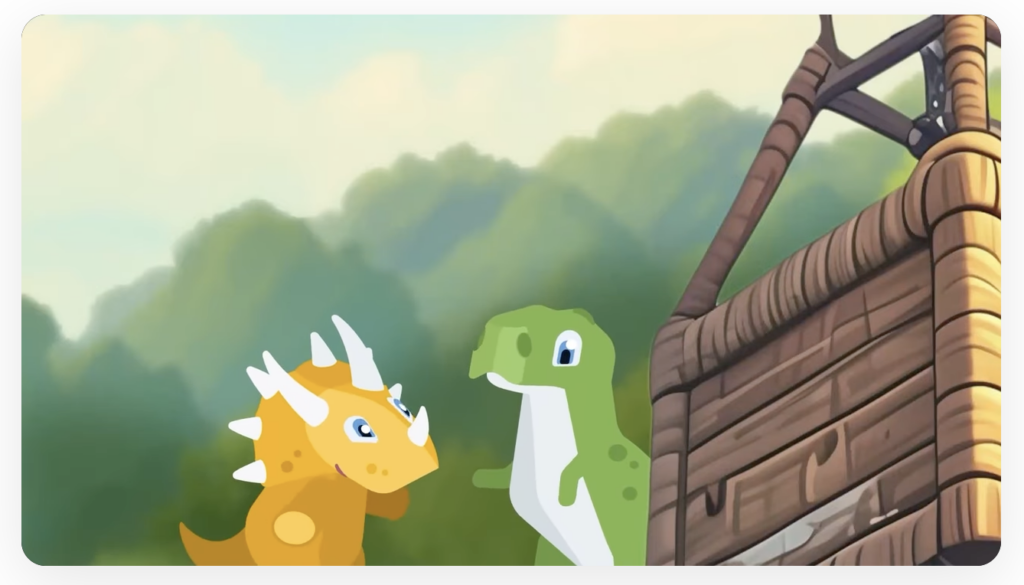
Watch a sample Dinolingo video (French)
How Dinolingo Videos Are Designed
Dinolingo language learning videos are carefully created using proven language-learning principles to help children learn naturally, effectively, and with enjoyment.
1. Full Immersion
Children learn best through immersion. Dinolingo videos introduce language through repeated exposure to common words and phrases—without translation—allowing children to absorb meaning naturally, just like they learn their first language. Imagination and repetition keep children engaged and support long-term learning.
2. Contextual Learning
Each word in Dinolingo language learning videos is presented in multiple contexts—at least four different scenarios—helping children understand meaning more deeply. Words are repeated at natural intervals rather than consecutively, which strengthens memory and recall.
3. Child-Directed Speech
Dinolingo videos feature high-pitched, friendly voices (often called “motherese”), which research shows are easier for young children to recognize and engage with. We work with female and child voice actors to create a warm, relatable learning experience.
4. Native Pronunciation
All Dinolingo language learning videos are recorded by native speakers, ensuring accurate pronunciation and authentic language exposure from the very beginning.
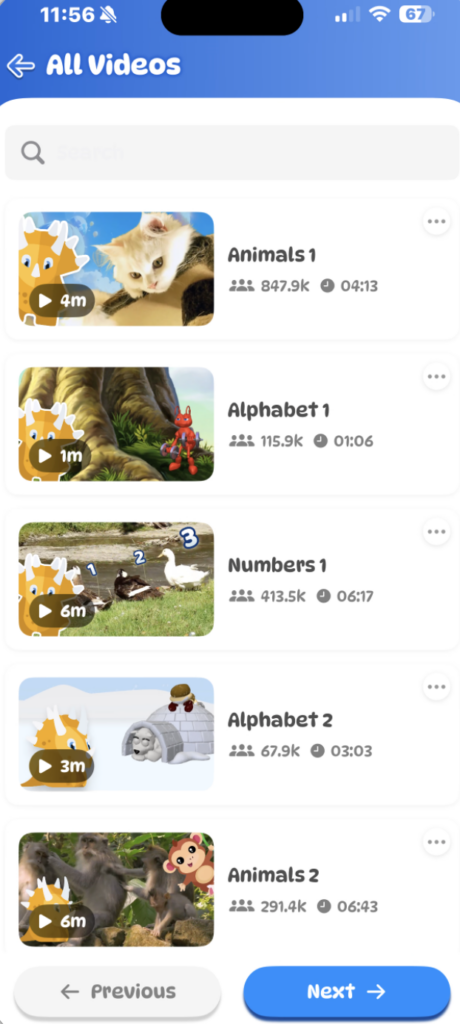
5. Child-Friendly Characters
Dinolingo videos feature gentle, baby-faced animated characters designed to feel safe and engaging. There are no scary or aggressive elements—everything is age-appropriate for young learners.
6. Spaced Repetition
Words in Dinolingo language learning videos are repeated at carefully timed intervals to reinforce memory. This method helps children retain vocabulary more effectively over time.
7. Imaginative Animation
Dinolingo videos use engaging visuals—like talking and moving objects—to spark curiosity and imagination, aligning with how young children naturally perceive the world.
8. Attention-Grabbing Techniques
To maintain focus, Dinolingo language learning videos use subtle visual and audio techniques such as movement, zoom-ins, and playful sounds. These elements help keep children engaged while learning.
9. Optimized Animation Style
Children respond strongly to animation. That’s why most Dinolingo videos use a balanced mix of 2D and 3D animation to create a visually rich and engaging experience.
Start Learning a New Language Today!
Best Language App for Kids.
7-day free trial. Then only $19/month. Cancel anytime.