Beautiful Latin Names for Boys and Girls
Many of today’s popular names come from Latin roots. Some names were used by emperors and heroes, while others were inspired by flowers, stars, and stories from Roman myths. Whether you’re curious about old-fashioned names or just love how they sound, Latin names are full of meaning and beauty. This guide walks through Latin names for boys and girls, the Roman gods behind many of them, and even a few fun Latin phrases your child can say out loud, so the whole family can explore Latin culture together.
Latin Names for Boys
Boys’ names in Latin often represent strength, courage, and honor. Some were worn by famous Roman generals or passed down through royal families. Here are some examples of Latin or Latin-inspired boys’ names:
- Lucas – Often associated with “light”
- Abantiades – A heroic name from myth
- Zorian – A unique name meaning “happy” or “light of dawn”
- Jovan – Derived from Jupiter, the Roman king of gods
- Ace – A name linked to being the best or first
- Bastian – Short for Sebastian, meaning “venerable”
- Luke – A popular version of Lucas
- Adrian – A Roman name meaning “from the Adriatic”
- Andrew – A classic name meaning “manly”
- Anthony – A noble name with Roman roots
- Luka – A variation of Lucas, popular in Europe
- Magnus – A Latin word for “great”
- Valentin – From “valens,” meaning strong or healthy
- Achilles – A legendary hero from ancient stories
Latin Names for Girls
Latin girls’ names often carry meanings related to beauty, nature, and grace. Many of these names are still used around the world today. Here are some beautiful choices:
- Aurelle – Inspired by “aurelia,” meaning golden
- Mia – A name that means “mine” or “beloved”
- Dabria – A rare name with mystical tones
- Caca – A mythological name (sister of Cacus in Roman tales)
- Kira – A name that can mean “sun” or “lady”
- Bella – From Latin “bella,” meaning beautiful
- Iana – Related to Diana, goddess of the moon
- Babriela – A variation of Gabriela, meaning “God is my strength”
- Cacilia / Cacelia – Variants of Cecilia, meaning “blind” (but known for music and saints)
- Arabella – Possibly meaning “yielding to prayer”
- Adriana – Feminine form of Adrian
- Aapril – A creative version of April, linked to springtime
- Adelina – A soft and elegant name
- Emily – From “Aemilia,” an ancient Roman family name
From Greek to Latin: Same Gods, New Names
Many of these names, like Jovan from Jupiter or Iana from Diana, trace back to Roman gods. And here is a fun fact behind those gods: did you know that Zeus and Jupiter are the same god? The Romans loved Greek myths so much that they adopted the gods but gave them new Latin names.
Greek vs. Latin Names for Gods
Many famous gods had a name change:
- Zeus became Jupiter
- Aphrodite became Venus
- Ares became Mars
- Hermes became Mercury
These changes happened when Rome grew powerful and blended its culture with Greece. Learning both versions of a god’s name helps kids understand books, cartoons, and even the names of planets. Mars isn’t just a planet, it’s also the Roman god of war.
Fun Learning Activities
Name Match Game. Make flashcards with Greek names on one side and Latin names on the other. Kids can match the pairs and learn about the gods.
Planet and Myth Connection. Draw the planets and label them with their Roman god names. Add a quick note about their powers.
Fun Latin Phrases That Make You Smile
Latin may be an ancient language, but you can still use it to say fun and friendly things. Once kids know a few Latin names and gods, saying a few Latin words out loud makes the language feel alive. Here are some cool everyday expressions in English, and how to say them in Latin:
| English | Latin |
|---|---|
| Mmm… yummy! (delicious) | suavis |
| Cool! / Super! (great) | magnificus |
| Oh no! | oh no |
| Ooooh! | ooooh |
| Ooo-ooo (what now?) | ooo-oooo |
| Hey, look! | specta! |
| Thank you | grates ago |
| Hello | ave |
| How are you? | Quid agis? |
| Bye | vale |
You can practice saying these phrases with friends or during Latin lessons. Kids love using fun words while they learn.
Learning Latin Words and Stories with Dinolingo
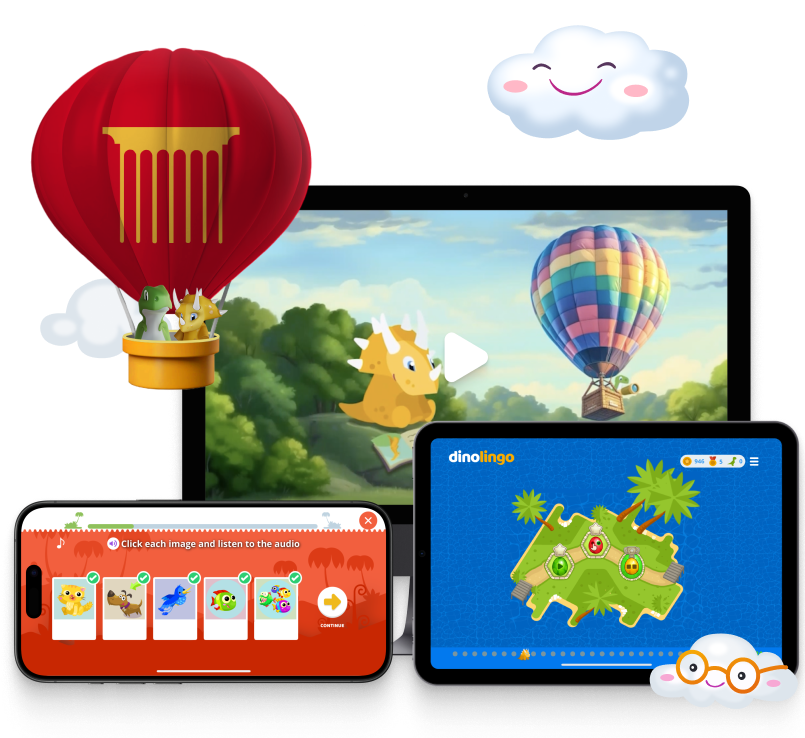
If your child is curious about names, languages, or ancient history, Dinolingo offers a fun way to explore Latin through stories, songs, and activities. With lessons designed for kids aged 2 to 14, they can learn the roots of their own names and many others through interactive games and videos. Through animated videos, games, and printable worksheets, learners explore words like Venus and Mars and travel from myth to meaning. Available on web, iOS, and Android, Dinolingo makes learning Latin fun, friendly, and easy for young learners.
Latin names can be powerful, poetic, or playful. They carry stories from long ago and continue to inspire names in many languages today. Whether you’re learning Latin or looking for name ideas, these timeless names are full of charm and history.
Sources: