Ultimate German Transportation Course for Kids: Cars and Traffic Phrases
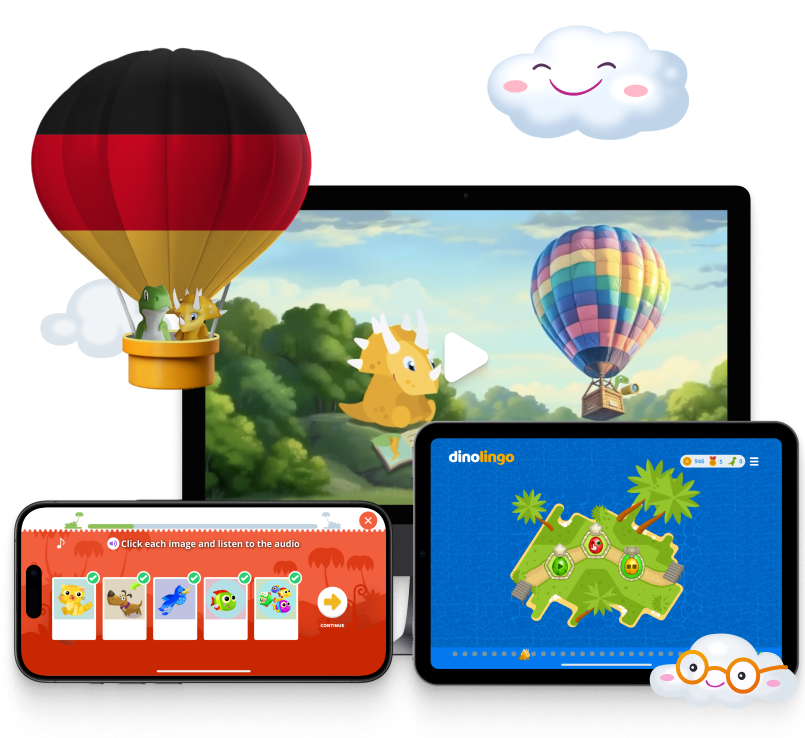
Germany’s legendary Autobahn sparks curiosity, and that curiosity can power real learning. Kids remember vocabulary faster when it is tied to movement, color, and play, which makes transportation a perfect theme. Dinolingo is a language-learning platform for ages 2-14 with 50 languages, and this guide turns cars, road signs, and simple traffic phrases into a German routine that is fun and easy to repeat at home.
German words for transportation: build a road-ready vocabulary
Start with the objects kids can see and touch. Use toy cars, paper traffic signs, or a simple street map drawn on cardboard. Label the objects in German and repeat them during play: das Auto (car), der Bus (bus), das Fahrrad (bike), die Ampel (traffic light), and die Strasse (street). Link each word to a movement, such as making the car roll forward when you say the word. This keeps kids active and turns vocabulary into a mini game rather than a worksheet.
To reinforce the words, build a tiny road scene with paper buildings and a few signs. Each time the car passes a sign, your child says the German word aloud. Then add short phrases like Ich fahre (I drive) or Das Auto faehrt schnell (The car drives fast). These small phrases help kids move from single words to simple sentences. For more structured practice, link your routine to learn German for kids so kids can hear the pronunciation and see the words in songs, stories, and games.
hi in german: greetings for drivers and passengers
Transportation play is also a chance to practice greetings. Start each session with a simple greeting like Hallo or Guten Tag and pretend to be a driver and a passenger. A short greeting at the start makes the routine feel like a real trip. It also gives kids a natural way to practice friendly language, which builds confidence for everyday speech.
no in german: safety words for the road
Safety words matter. Teach nein (no), halt (stop), and langsam (slow) as part of road play. Use a red card for stop and a green card for go. This creates a quick call-and-response game that makes safety vocabulary memorable. It also gives kids a clear reason to say the words, which helps them stick.
German words and traffic phrases: turn play into practice
Once kids know the basic nouns, add short phrases that match the actions in the game. Keep it simple and repeat the same phrase in each round. For example, when the car turns, say Ich biege links ab (I turn left). When the car stops, say Ich halte an (I stop). These repeated phrases turn play into practice without feeling like a lesson. Make a small phrase board and rotate two or three phrases each week so the routine stays fresh.
Try a mini licensing game: place flashcards around the room as pit stops. Each time kids park their toy car, they say the German word and the English meaning. After five correct stops, they earn a badge or a sticker. This keeps motivation high and makes repetition feel like a challenge instead of a task. To deepen the routine, pair the activity with a related story or a short video from 50 ways to learn German for kids, which gives families more ideas for practice.
how are you in german: polite phrases at the pit stop
Add a short check-in to the pit stop routine. Ask Wie geht es dir? (How are you?) and let kids answer with a simple feeling word. This small exchange turns vocabulary into a social moment and makes the language feel useful. For younger kids, you can use a picture card for happy, tired, or excited and have them point while they speak.
hello german language: quick phrases for road play
Teach a few short phrases that sound like a real trip: Hallo, Fahrer (Hello, driver), Wo ist die Ampel? (Where is the traffic light?), and Wir fahren nach Hause (We are driving home). These short lines help kids connect German to real situations. Repeating them in a playful setting builds confidence and makes the language feel natural.
German alphabet: read signs and labels
Transportation themes are perfect for early reading. Make a few simple signs with large letters and short words: STOP, PARK, BUS, and AUTO. Then practice the German names and letter sounds as kids drive past. This reinforces letter recognition while keeping the activity active. The German alphabet is similar to English, which helps kids build confidence quickly. Add a few special letters when you are ready, and keep a simple chart nearby for reference.
You can also create a license-plate game: write short letter combinations on cards and ask kids to match the letters as they spot them around the room. Each correct match earns a point. This is a light, playful way to practice reading and keeps attention high. If you want more language immersion, combine the alphabet practice with Dinolingo lessons so kids hear the words and see the letters together in context.
german alphabet: build a road sign wall
Create a small road sign wall with letters and pictures. Add a picture of a bus with the word Bus, a bike with Fahrrad, and a street sign with Strasse. Each time kids point to a sign, they say the word and the first letter. This reinforces both vocabulary and reading in one simple routine.
FAQ
1. What is a good first German word for transportation?
Start with das Auto because kids see cars every day and can connect the word to play.
2. How can I teach traffic words without worksheets?
Use toy cars, paper signs, and a simple map so kids learn while they play.
3. Are German road words hard for kids?
No, most are short and easy to repeat, especially when paired with movement.
4. How often should we practice?
Short daily sessions of five to ten minutes work well for ages 2-14.
5. Can I mix English and German in the same activity?
Yes. Say the German word first, then the English meaning to build understanding.
6. Do I need to teach grammar for traffic phrases?
No. Focus on short, repeated phrases and let grammar come later.
7. What if my child mixes up left and right?
Use arrows and hand gestures so the meaning is clear without stress.
8. How can I add culture to transportation lessons?
Talk about the Autobahn and German cities while naming vehicles and signs.
9. Are songs useful for traffic vocabulary?
Yes. Rhythmic repetition helps kids remember words faster.
10. How can Dinolingo help with German transportation words?
Dinolingo provides games, videos, and printable activities that keep practice fun and consistent.
Final Thoughts Transportation themes turn German lessons into playful, hands-on learning. With a few props and short routines, kids can build real vocabulary and confidence. Pair these activities with Dinolingo and watch your child cruise from single words to short phrases with ease.
Sources
Start Learning a New Language Today!
Best Language App for Kids.
7-day free trial. Then only $19/month. Cancel anytime.