50 Fun and Easy Ways for Kids to Learn German
Learning German with your child can be both fun and rewarding, especially when you combine play, stories, and everyday activities with engaging online tools.
Get fairy tales and storybooks in German online or from your local library
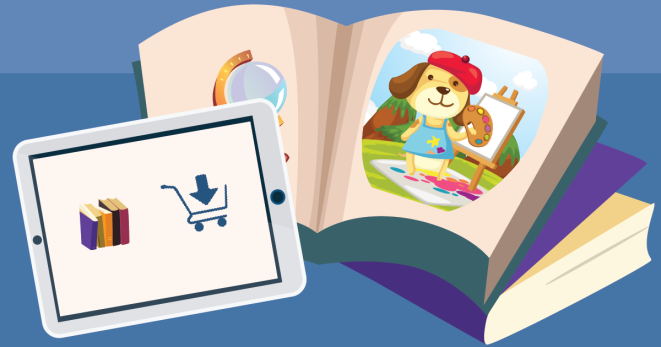
Children love shared reading time and regardless of language acquisition, they will always remember the time they spent with you reading books. Try to find books with good illustrations. Look at the pictures with your child, point to things they already know in German.
As you come across new words ask the child what they think it is. If it is illustrated, have them point it out on the page. Use different voices for different characters. If your child has a favorite German story encourage him/her to play different characters making up the words from memory. Help your child to use his/her imagination to change the story or change the ending.
Use puppets or turn your child’s favorite plush toy into a puppet that talks in German
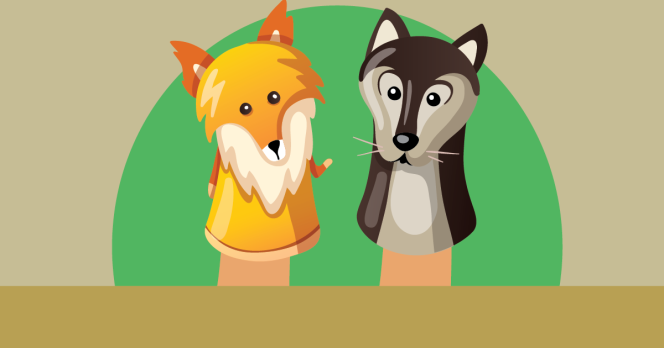
Kids love puppets and puppet play is great for motor skills. You can tell much-loved stories through puppet play, either using the whole body or make a puppet theatre from a box and use hand or finger puppets. Finger puppets are also fun when singing songs.
Go to the zoo and call the name of the animals together in German
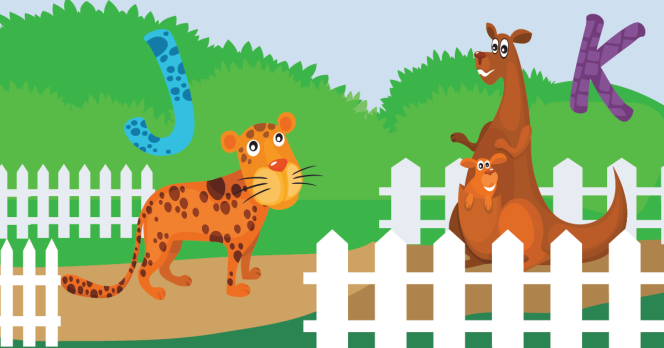
If you have any, look at some animal books together, then go to the zoo for the day. Ask your child the names of the animals he/she has learned and point out the new ones. This is a great place to add in adjectives and colors. When you come home, encourage your child to draw pictures of what he/she saw and talk about them together using German.
Play hide and seek by counting in German
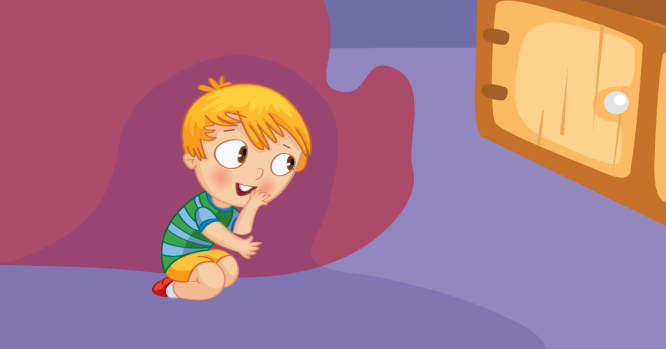
Hide and seek is a great game for practicing numbers. You could start with 1 to 10 and gradually increase. When your child knows them well you could count down backward. When ‘seeking’ your child it’s a good opportunity to repeat words without it sounding repetitive.
Play board games in German e.g.: snakes and ladders, board games, family games
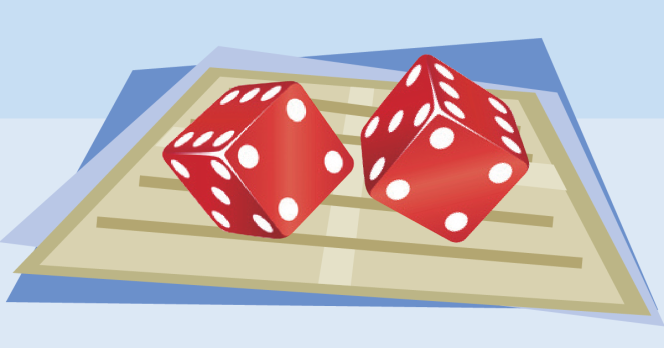
Dice games are always good for counting and also a simple addition. Board games played with the whole family can be a time for relaxed learning. Just playing a simple board game such as snakes and ladders teaches a young child so much more than just language. They also learn rules of play, understanding goals and of course, that family games equal FUN!
Play games by using flashcard games e.g.: Go fish, memory game
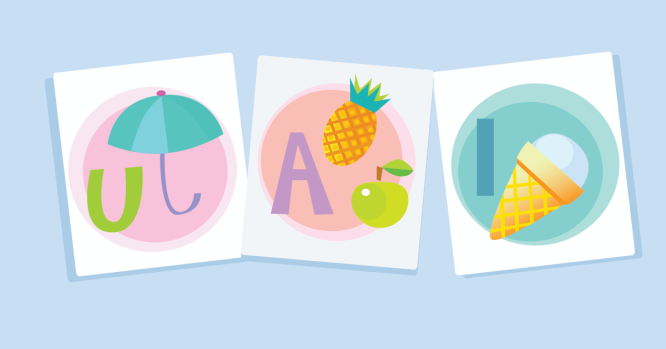
Flashcards are one of your most valuable resources in teaching language to young children. With multiples of the same cards, you can play well-known games such as Go Fish or the ‘memory game’.
Very small children may struggle to hold too many cards, so play games that have the child match one card to another. Match up a sound with a picture, or two cards that have the same sound, or two pictures that match, any way you choose.
Lay cards out on the floor or table and have your child touch the card as you call out words/sounds. Encourage your child to be the caller and you touch the cards. Keep it playful and fun.
Have a progress chart that tracks the words and phrases your child mastered
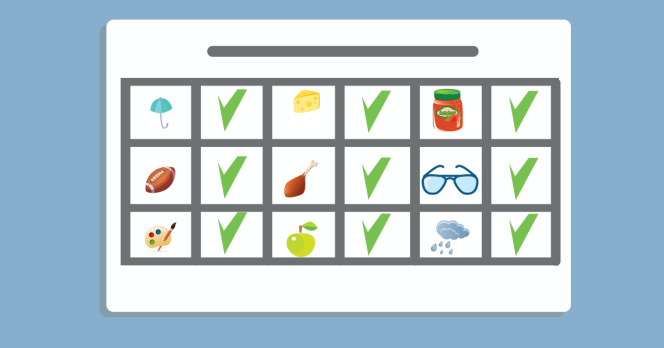
A simple progress chart teaches your child clear goals and kids love stickers. Let your child know when he/she is approaching a goal, make a big deal of reaching the goals, be excited to get the stickers out. Praise him/her for their achievement with a ‘great job’, a hug or a ‘high five’ (or all three).
Listen to children’s songs in German together or reward your child for memorizing a short one
Listen to children’s songs in the German whenever and wherever you can. Keep CDs in the car or put a CD on quietly in the background when you are doing something else. Add actions to the songs, this helps kids remember the words. If it suits your child’s personality, encourage them to ‘perform’ songs for you. You could have a special ‘song night’.
Listen to pop songs in German together or reward your child for memorizing a short one
Teach your child some catchy pop songs that you both like. Something with suitable lyrics and a good chorus is easiest to remember. Sing it around the house as you do other things when your child tries to join in, model the language and encourage them to sing with you.
Find cartoons in the German on Youtube or online
Cartoons are a great way to engage kids in the German. Kids can figure out the story visually without worrying about not understanding every word. It’s easy to buy DVDs from online in almost any language or, alternatively, look for them on YouTube. Let your child guide you to which cartoons they like best. Watch them together and you will know which language to reinforce.
Have an annual/monthly goal checklist
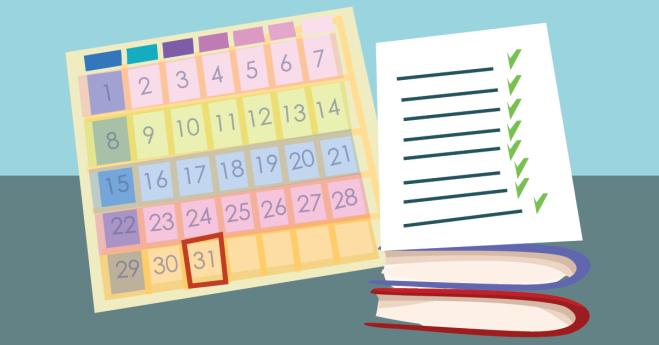
Make a checklist of goals or ideas of where you want to be with the language learning over a year. Break it down into monthly mini-goals.
It will help you stay focused on where you are going and also a great way to look back and see how far you and your child have come.
Create youtube playlists or find playlists suitable for your child’s level
YouTube is a super resource. You can create playlists of German teaching videos, these days people post from all over the world.
They might be short tutorials, or craft ideas you can incorporate into your language learning, or children’s songs you can sing together. Look for playlists already put together by others with the same goal.
Join online support groups (forums, facebook pages, twitter lists, multicultural blog groups etc.)

Join some online groups to exchange ideas and information. Support is invaluable too. Teaching German can hit some hurdles, it is important to be able to connect with people who are having the same difficulties or have successfully navigated these hurdles. Facebook and Twitter are great for immediate connections. Online chat groups or forums can give you a sense of community and common goals.
Visit the website of German’s ministry of culture
Have a look at the website and find interesting information about Germany. Read about traditional food, dances, and costumes. Look at statistics such as population. Find some fun facts about the climate, holidays and customs. Talk about them with your child and follow their lead on which parts they are interested in. You can also get all this information and more here.
Go to public libraries and check all the available resources in German
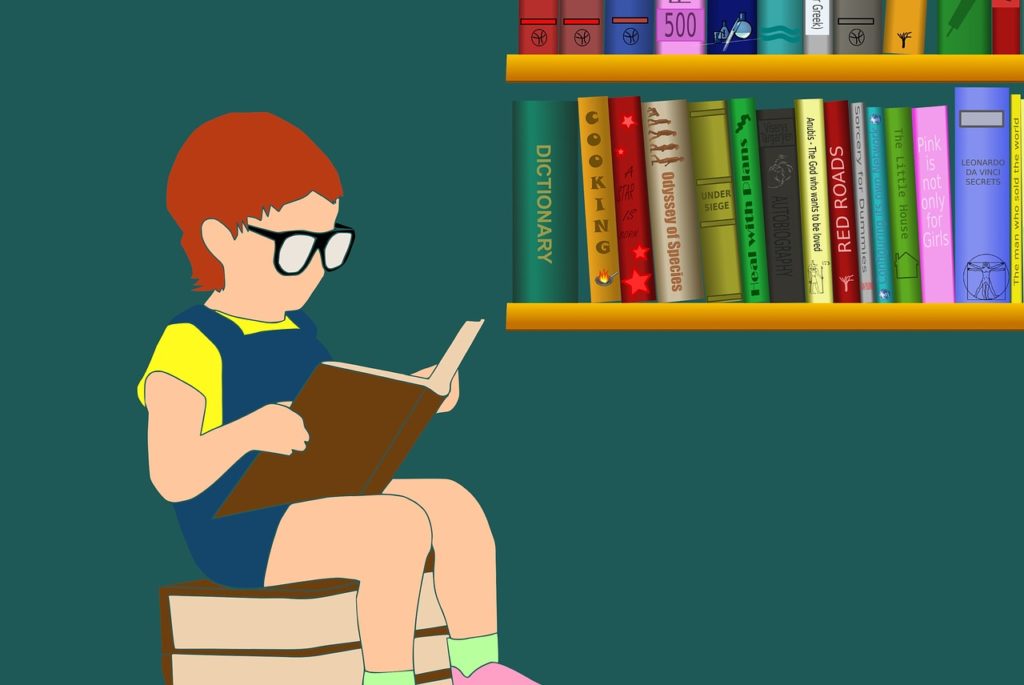
Libraries are an excellent resource. If they don’t have things in German ask the librarian if it is possible to order them. Also, check out the noticeboard and see if there are any kids groups speaking German in the area. You might make some new friends too.
Make use of language learning DVDs for kids
Language DVDs come handy, especially for busy parents, as they repeat useful words and phrases in a fun and interesting way Check them out, Look for something that is specifically for kids, that uses games and songs and has well-structured levels.
Play CDs when driving your child to school
Always play CDs in German when you are in the car. It could be songs or a kids’ language learning CD, whatever your child likes. Do it consistently so your child comes to expect the German in the car.
Play streaming radio in the background at home or make use of Spotify, Lastfm, etc.
Nowadays, there are a lot of resources that help you play streaming radio through personal electronic devices and laptops, etc. All you need is a tune into one of the local radio stations and have the radio or the song list play in the background all day long. Even if your child does not understand what has been spoken or the lyrics of the songs he/she will get used to the new sounds and intonation patterns.
Make use of worksheets for beginners
There are a great many websites offering worksheets for beginners. Many are free and some you can pay monthly or a yearly fee. Kids love worksheets. Some may be simple coloring sheets (kids LOVE coloring), or sheets that help fine motor skills through pencil manipulation. Buy some stickers and put one on each sheet your child completes.
Make use of Flashcards
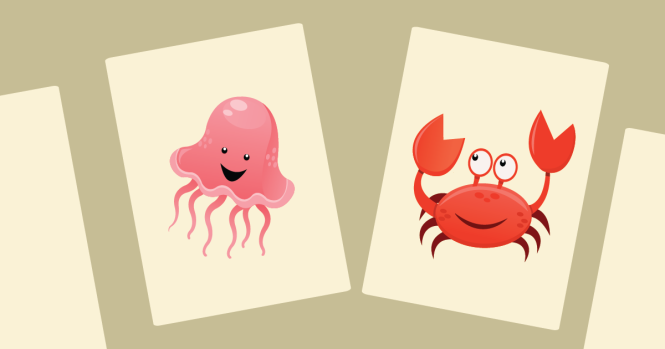
There is no end to the fun to be had from playing games with flashcards even if you child is still too young to play a game that has structure and rules. You can make your own ‘games’ call out a card, have your child touch it/pick it up. ‘Hide’ the cards around the room and have your child find them and say what they are etc.
You can also put the flashcards up around the room. Change them each week in categories (animals/flowers/ fruit/etc. Look at them and say them often with your child. Ask them, “What’s this? / What’s that?”
Put them on your fridge with magnets or let your child do this. You call out the words and have them put them on.
Get a picture dictionary to get started
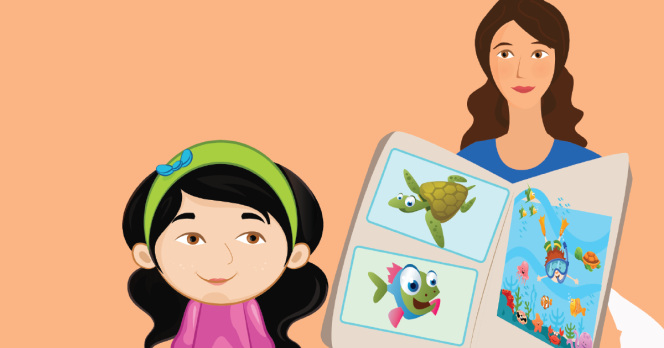
A Children’s picture dictionary is a wonderful resource. Follow your child’s curiosity about it. Let him/her choose what he/she wants to know on any given day. Ask him/her more information about the words they do know. “What color is it?” “ Is it big or small? “ “Where does it live?” “What does it do?”
Consider getting an alphabet book
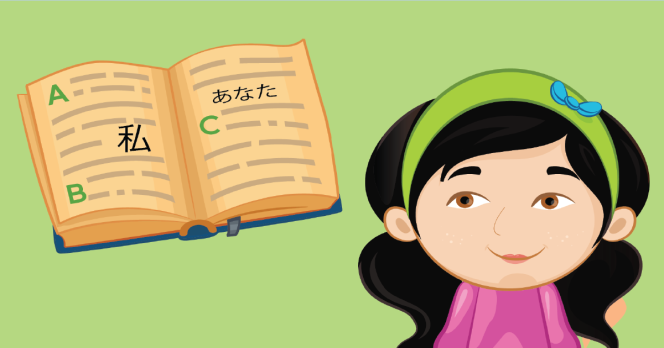
Introduce your child to the shapes of letters with a simple alphabet book. This is especially useful if the German alphabet is different from that of the 1st language. For young learners, get a very simple, ‘starter’ book, also great for fine motor skills and pencil control.
Think about kinesthetic learning (learning by doing). Coloring books, sketchbooks or DVDs that children watch and dance are great!
The research is in that kids learn best by doing (don’t we all?).
Anything that gets kids moving their bodies or their hands helps them to learn. Watch DVDs together, makeup dances, put on ‘shows’, even dress up. Encourage your child’s inner artist with a sketchbook. Color, paint, draw and talk about the colors and your child’s pictures in the German. Coloring in pictures is a very relaxing activity (you should do it too!) Kids tend to be very relaxed when they are coloring, a good time to make some general chitchat in German.
Mix paints and talk in German about how colors are made.
Consider getting a reading pen
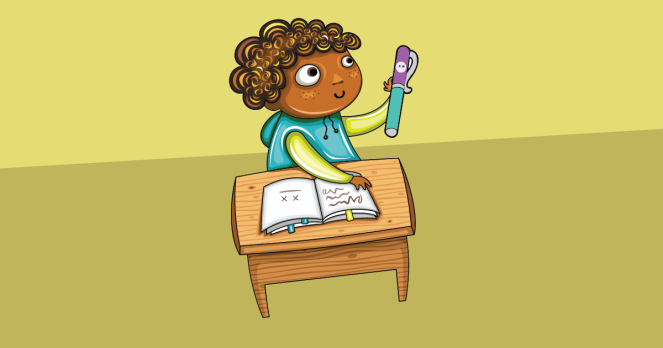
The very latest translation tool. A ‘reading pen’ scans and translates. The translated text appears on a small screen on the pen and can also provide an audio pronunciation of words or full sentences.
Find some talking or singing plush toys
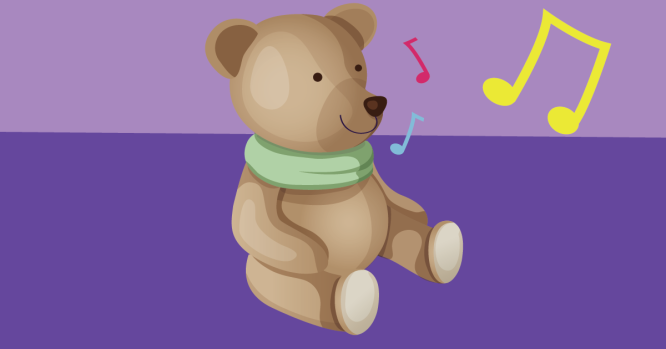
There are so many talking toys on the market these days. Try one that says greetings in German (or multiple languages) or one that sings traditional songs/nursery rhymes from Germany.
Make use of culture books prepared for little kids
Ready-made ‘culture books’ are great for learning about different countries. Read them together, ask questions and encourage your child to ask lots of questions too. After reading one, you could make a simple one together using pictures from magazines, or encourage your child to draw pictures too. Gather information together at the library or from the internet.
Decorate your child’s room with learning posters (colors, numbers) or pictures from Germany (flag, the cities, etc.)

Get some large colorful posters to decorate your child’s room or the learning space you use. Point things out and ask questions, swap roles and have your child ask the questions too, this also helps model the pronunciation. Ask which is your child’s favorite poster and why?
Follow their lead on the things that interest them.
Follow a simple syllabus prepared for kids
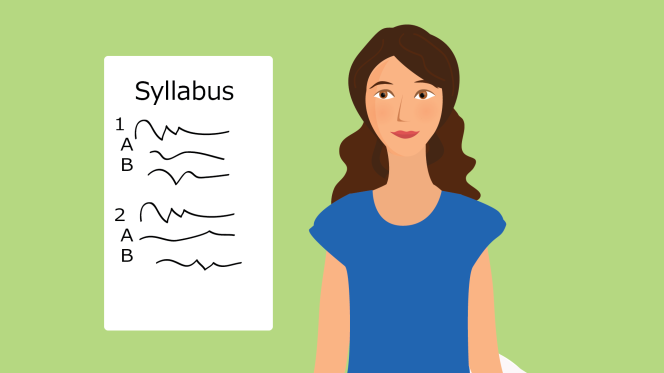
Use the simple syllabus prepared in your language learning system or make one yourself. Let your child know what it is so he/she can see what they will be doing. Children tend to do better when they know what is coming and what is expected of them.
Use stickers as rewards (stickers that say congratulations, wonderful, etc. in the German)
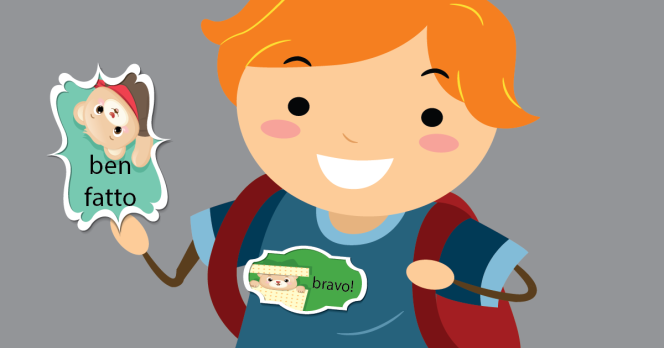
Kids love stickers! Use them liberally. Take praising your child as an opportunity to use the German. If you can find stickers with words of praise in the German use those and repeat the words a lot. Use a couple of words at first and add more as your child knows them.
Get some printed items related to the German: T-shirts, mugs, children’s silverware, etc.
If you have the opportunity to visit the German country buy goods with the language on. T-shirts, mugs, and pens are useful as well as educational. Look for postcards, posters or bumper stickers with popular expressions on. Post these around your house.
Arrange play dates or playgroups with other parents who want to teach their children German.
Try to find other parents encouraging their children to learn German, arrange to play together, go on picnics to the park or take a trip to a zoo or aquarium, great places to practice the language. Making new friends is of great benefit to you too!
Video chat with friends and relatives who have a child that speaks German
Encourage video chat with other children you know, that speak German. It’s easy using Skype or Google Hangouts or something similar. Be nearby to help the conversation along. Be encouraging and resist the temptation to correct your child’s mistakes.
Invite Grandma and Grandpa (who can speak German) to stay over

Spending time with grandparents is valuable to all parties anyway but spending time with grandparents who speak German is great for strengthening bonds and hearing natural language. Your child will come to associate German with feelings of love and security.
Hire a short-term or full-time nanny or caregiver that speaks German
If it is possible, consider hiring a nanny/caregiver/babysitter who speaks German. Even a few hours per week would make a difference (and give you a little free time!).
Cook German recipes together with your child
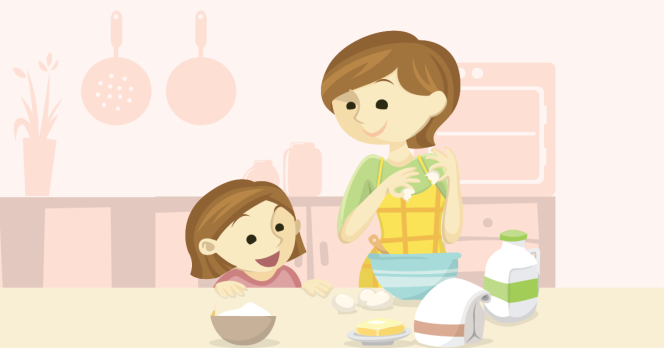
Kids always want to be a ‘little helper’ in the kitchen. Cook some simple dishes from Germany together. Us the German for instructions, wash, cut, wipe, mix…. Name the ingredients in a natural way as you cook. Here are some German recipes
Go to community centers, cultural centers, and temples with your child

Local places of interest are stimulating for your child and cultural centers often have exhibitions or music/dance performances. Look out for anything from Germany. Community centers are a great place to meet people, look at notice boards for anything from people interested or connected in some way to, German. You could even offer to do something yourself, give a talk about the country or a traditional dance etc.
Visit German supermarkets and German restaurants with your child
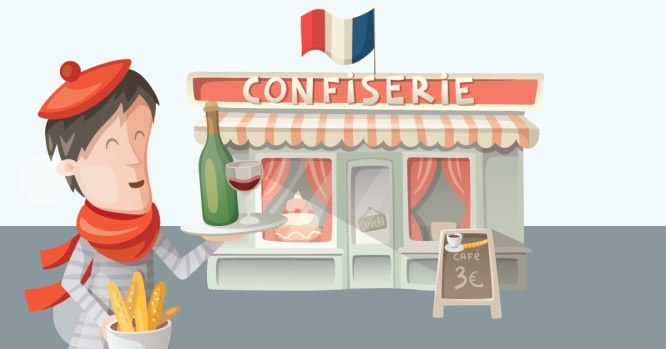
Go around a German supermarket and point out the foods from Germany. If your child is unfamiliar with them, ask questions. “How do you think it tastes?” “ Do you think this is hard/soft/crunchy/sweet/etc.?” If possible eat in ethnic restaurants. Talk about the food, how it is prepared, where it comes from.
Have a word of the day activity
Pick a ‘word of the day’, you or your child could choose it, or have your child pick it at random from a pile of word cards. If the word is a noun, look for it around the house and when you go outside. Talk about where it might be found. If it is a verb, find ways to do the action either really or mime it, see if you can spot other people doing it? Or use adverbs and spend some time doing everything in the manner of the adverb, slowly/quickly/happily/etc.
Play German online language games (memory, click&tell, etc.) with your child
There are plenty of free online interactive language games for children. Find one that appeals to your child and encourages them to do a little every day. You can check out 3 different kinds of free German online language learning games here
Try Skype lessons for children (may not be advised for infants and toddlers)
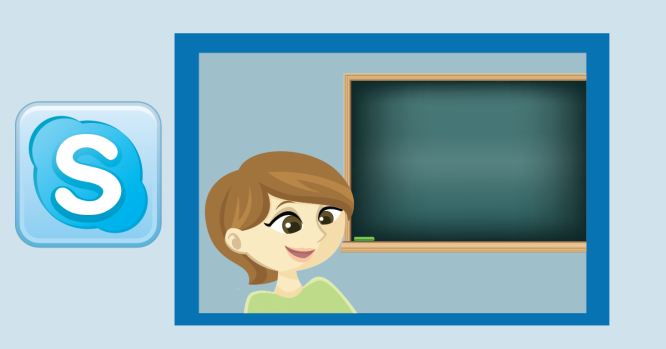
Many teachers are offering language lessons via Skype. Ask around and see if anyone can recommend a teacher to you. Sit in on the lesson too so you know what language to reinforce between lessons.
Read bedtime stories in German to your child

Books, books, books. Kids love books and stories. Read stories in German before bed. Often when kids have heard a favorite story many times they know the words. Encourage your child to help tell the story.
Play German children’s games
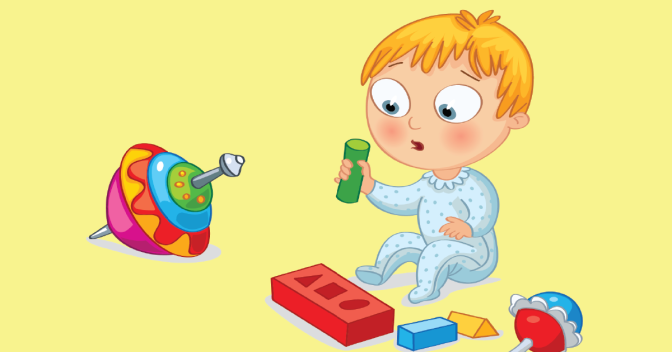
Many children’s games are the same the world over, play kids games your child already knows in their 1st language but play it in the German. Paper, rock, scissors has many variations; play it in the German. Hopscotch, skipping games, clapping games etc. can all be played in any language. For more ideas have a look at the games in the different ‘countries and cultures’ at Dino Lingo (to the right of this post).
Get comic books & children’s magazines from Germany
Ask if a friend or relative overseas can send you comics or children’s magazines in German. Children’s magazines usually have lots of fun facts in them that you can talk about and further research. They also have quizzes and puzzles that are lots of fun to do.
Go to a national parade of the target culture
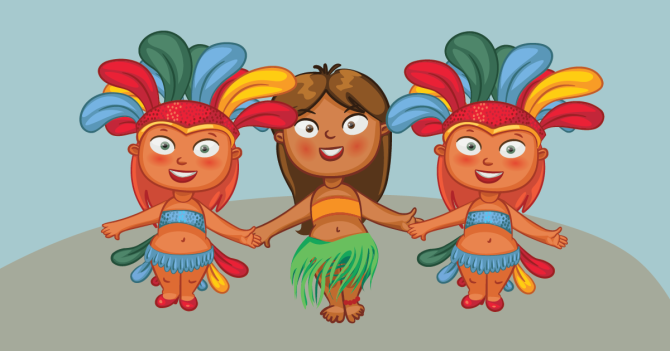
You could try to find where there is a large community of people from the target culture. They will no doubt have special events to celebrate the holidays of their country of origin. Take your child to their parades and festivals.
Have a personalized notebook especially used for learning the German(Don’t forget to use it to have your child draw whatever you say in the German)
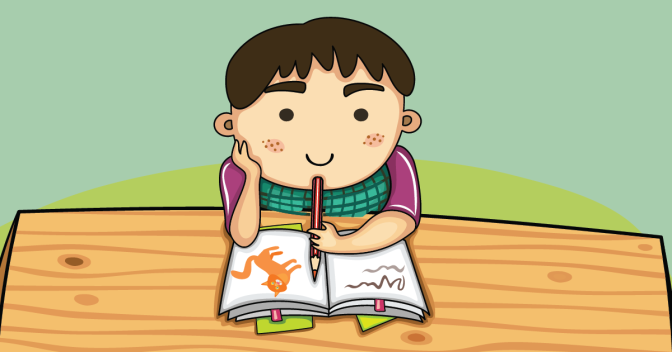
Let your child choose the notebook at the shop and decorate it any way they want to make it special. Say words in German and have them draw pictures, or even write the word or the first letter, depending on what level they are at. Go back over the pictures every few days. Talk about the pictures and praise your child’s drawing skills.
Do local crafts
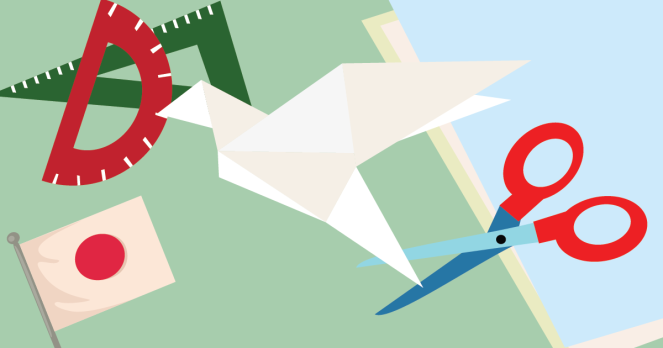
If you are a native speaker of German think about the crafts you did as a child and do them with your child (think also about how happy you were doing this activity with your own mother/father or your friends). Don’t worry if you have forgotten how to look on the Internet to refresh your memory. Perhaps you could send something your child makes to grandparents or relatives overseas.
Use chatting apps (WhatsApp, Line, etc.) to talk with friends and family who have same-aged children
Chatting apps are mobile and easy to use. Chat with friends in the German who have children about the same age. Encourage your child to chat with them and their kids too. Ask their kids about themselves, their day etc. and encourage your child to talk about themselves.
Sing lullabies in the German to put your baby asleep

Lullabies are so soothing for baby and parent. Sing some German lullabies to help your baby sleep. You can buy wind-up crib music at a baby store. Play the music and sing in the German. Establish is as a routine and enjoy the time to hold your baby and knowing you are soothing him/her.
Consider homeschooling by getting an online curriculum
More and more people are turning to homeschool these days and there are plenty of resources online. Do some research and find something that suits you and your child. Depending on the school hours where you live, it may be possible for your child to attend the local school and follow a homeschooling curriculum.
Send your child to a summer camp where he/she can study German in a short time.
Summer camp is a great experience for children. It is often their first extended time away from home and a chance to make lots of new friends and try a variety of activities for the first time. ‘Language’ camps for kids usually incorporate study with lots of games/crafts/activities related to the German culture. Look online or on the notice board in community centers and other public buildings.
The fifty ideas above give you a year of inspiration. The themed sections that follow take those ideas further, with ready-to-use word lists, recipes, games, and activities you can pull off the shelf whenever your child is in the mood to learn. Pick whatever matches the moment, a rainy afternoon, a car ride, a bedtime cuddle, and let German weave naturally through your family’s day.
Start Here: 10 Easy German Words Your Child Can Learn Today
The first words in any language should feel as friendly as a wave and as useful as a glass of water. By choosing everyday German nouns, greetings, and polite phrases, you give children tools they can use immediately at breakfast, playtime, or bedtime.
| German | English | Fun Prompt |
|---|---|---|
| Hallo | hello | Wave and say Hallo to a teddy |
| Tschüss | bye | Blow a goodbye kiss |
| Danke | thank you | Pass a snack and whisper Danke |
| Bitte | please/you’re welcome | Ask for the snack back: Bitte? |
| Mama | mom | Hug and say Mama |
| Papa | dad | High-five and shout Papa |
| Apfel | apple | Pretend to munch an imaginary apple |
| Wasser | water | Mimic drinking from a cup |
| Hund | dog | Bark twice while saying Hund |
| Katze | cat | Meow softly and say Katze |
Quick Practice Routines
Flash-Greeting Circle. Stand in a circle with family or friends. Toss a soft ball; the catcher says Hallo or Tschüss before passing it on. After three rounds, switch to Danke and Bitte.
Breakfast Word Hunt. Place an apple, cup of water, and a cat plush on the table. Ask: “Wo ist der Apfel?” Kids point and name each item in German, reinforcing nouns through real objects.
Pet Parade Pantomime. Line up plush animals or draw them on paper. Kids act out Hund (bark, tail wag) and Katze (stretch, meow) while repeating the words three times. Movement boosts memory.
Parent tip: repeat little and often. One minute of “language sprinkling” before school, Hallo Mama, Wasser bitte!, beats a long weekly cram. Consistency wires new sounds into daily life. A handful of friendly words builds instant confidence, and your child will say Hallo to German, and keep talking, before you know it.
Add Hands: Free German Sign-Language Basics
German Sign Language (Deutsche Gebärdensprache, or DGS) gives children a visual, hands-on way to communicate while boosting memory for spoken German words. Choose five practical words to learn first: hallo (hello), bitte (please), danke (thank you), essen (eat), and spielen (play). Watch a short tutorial together, then mirror the sign in front of a bedroom mirror so children see both the gesture and their own reflection.
Core Signs to Master
- Hallo – open palm near forehead, small wave
- Bitte – flat hand circles over chest
- Danke – fingertips move from chin outward
- Essen – pinch fingers to lips twice
- Spielen – thumbs and pinkies out, twist both hands side to side
Repeat each sign with the spoken German word so visual and auditory cues connect.
Sign-Language Games
- Sign & Seek: hide picture cards of food around the room. When a child finds one, they must sign essen before naming it in German.
- Musical Signs: play a German children’s song for one minute. Pause the music randomly and call out a word. Everyone signs the word as quickly as possible, and whoever is last does a funny dance.
- Story Hands: during bedtime stories, replace high-frequency words (hello, eat, play) with their signs. Kids raise their hands every time they spot and sign the word.
Tape a “Sign of the Day” card on the fridge. Each family member uses that sign at least three times before dinner, and a sticker chart tracks progress. Combining signs with spoken German turns language learning into a full-body experience that toddlers and older kids remember with ease.
Cooking in German: Simple Recipes That Teach Food Words
Butter sizzling in a pan and fruit colors popping on a plate, cooking wakes up every sense. When children whisk, taste, and name ingredients in German, new vocabulary sticks like batter on a spoon. These two fuss-free recipes plus playful games turn breakfast or snack time into a mini language lab.
Recipe 1: Regenbogen-Obstsalat (Rainbow Fruit Salad)
Ingredients: der Apfel (apple), die Banane (banana), die Erdbeere (strawberry), die Traube (grape), der Joghurt (yogurt).
- Schäle die Banane, peel the banana.
- Schneide den Apfel in Würfel, cut the apple into cubes.
- Mische alles mit Joghurt, mix everything with yogurt.
- Guten Appetit!, enjoy!
Practice tip: call out each color in German as you add fruit: rot (red), gelb (yellow), grün (green).
Recipe 2: Mini Kartoffel-Pfannkuchen (Mini Potato Pancakes)
Ingredients: die Kartoffel (potato), das Ei (egg), das Salz (salt), das Öl (oil).
- Reibe die Kartoffel, grate the potato.
- Füge ein Ei hinzu, add one egg.
- Salze die Mischung, salt the mixture.
- Brate kleine Portionen in Öl, fry small portions in oil.
- Warte zwei Minuten pro Seite, wait two minutes per side.
Practice tip: set a timer and count down in German: drei, zwei, eins before flipping.
Kitchen Games & Dialogues
Zutaten-Schnitzeljagd. Hide ingredient cards around the kitchen. Kids search and shout each word: “Wo ist der Apfel?”
Restaurant-Rollenspiel. One child is Koch (chef), the other Gast (guest). The guest orders: “Ich möchte Obstsalat, bitte.” The chef replies with “Kommt sofort!” and serves the dish, practising manners like Bitte and Danke. From rainbow salads to sizzling pancakes, simple recipes serve a double portion of nourishment and German vocabulary.
Learning German Through Play: Board Games, LEGO, and Roblox
Few things motivate a child like play, so it makes sense to let games carry the language load. Dice rolls, colorful bricks, and virtual worlds all become classrooms when you swap a little English for German.
Board Games in Deutsch
By swapping English for German during board-game time, children learn phrases like Ich bin dran (it’s my turn) and Noch eine Runde? (another round?) without realizing they’re studying.
- Monopoly Money Talk: instead of dollars, give each player colorful play euros labeled in German: fünf Euro, zehn Euro, zweihundert Euro. Every transaction must be spoken aloud: “Ich kaufe die Bahnhofstraße für zweihundert Euro.” (I buy the Railway Street for two hundred euros). Award a bonus house to anyone who negotiates entirely in German.
- Memory Match Marathon: create or buy a Memory deck featuring pictures with German words underneath. When a child flips two cards, they read each word: die Katze (cat), die Katze, match! Older kids can make their own sets with theme vocab, such as colors or foods, reinforcing spelling and handwriting.
- DIY Game Piece Glossary: before starting any game, line up the components and label them, der Würfel (die), die Spielfigur (token), das Spielfeld (board). Photograph the setup and tape it into a notebook titled Spiel-Wörterbuch (game glossary).
Rotate Spieleabend (game night) phrases such as “Zwei Felder vor.” (two spaces forward) and “Du hast gewonnen!” (you won!). Challenge kids to correct any English slips with a playful buzzer or sticker penalty, making language policing fun instead of punitive.
From LEGO Bricks to German Sentences
Nothing sparks creativity quite like a pile of colorful bricks. When children name each piece in German, der Stein (brick), die Platte (plate), das Rad (wheel), they cement new words alongside motor skills and spatial reasoning. Lay out ten basic elements on a tray and call them by their German names before you begin, adding the color too: ein roter Stein (a red brick), eine blaue Platte (a blue plate). Children quickly notice patterns in word order and adjective endings without formal grammar lessons.
Try a step-by-step mini race car build:
- Das Chassis vorbereiten: start with a 4×8 plate. Tap the plate and say, “Das ist die Basis” (this is the base).
- Räder befestigen: clip four wheels to two axles while reciting, “Ich befestige das Rad” (I attach the wheel). The repetition locks in Rad and the verb befestigen (attach).
- Karosserie gestalten: stack two red bricks, then two yellow. Ask, “Welche Farbe kommt jetzt?” (which color comes next?). The model becomes a living flashcard for colors and numbers.
- Cockpit bauen: snap a 2×2 clear brick on top, announcing, “Das ist das Cockpit” (this is the cockpit). Cockpit sounds just like English, confirming that some loanwords feel familiar.
- Feinschliff: add a steering wheel (das Lenkrad) and a tail fin (die Heckflosse). Close with a triumphant “Fertig!” (done!).
Roll the car along a paper track labelled Start and Ziel (finish). Each lap gains a phrase: Schneller! (faster!), Langsamer! (slower!). Later, challenge siblings to rebuild the model from memory using only German prompts: “Zwei Rad, roter Stein, Platte!”
Roblox with Simple German Commands
Roblox, a LEGO-style virtual playground, lets kids create mini-games called experiences. By layering a few German commands into play sessions, parents can turn those creative worlds into casual language labs. Keep tasks short, peel away every five minutes for a real-world break, and use built-in parental controls: toggle “Account Restriction” in the Settings menu so only approved friends can join, and set a kitchen timer to 20 minutes to prevent the “one more round” spiral.
| Command | English | When to Use |
|---|---|---|
| Los! | Go! | Start a race or obby course |
| Spring! | Jump! | Navigate parkour gaps |
| Dreh dich! | Turn! | Rotate facing an enemy or puzzle |
| Hierher! | Come here! | Gather team at checkpoint |
| Warte! | Wait! | Pause before the next wave |
Print these on a small cue card taped near the screen. Try mini-games like Obby Sprachlauf (each successful jump is followed by shouting “Spring!”), Treasure Hunt Deutsch (hide custom items named in German, Apfel, Buch, Schlüssel, and say the word to claim points), and Freeze-Tag Pause (the “it” player calls “Warte!” and everyone freezes and counts to drei). Every ten minutes, pause and ask two reflection questions: “Was hast du gerade gebaut?” (what did you just build?) and “Welches deutsche Wort hast du benutzt?” (which German word did you use?).
Move and Groove: Learn German Through Dance
Music starts, feet tap, and suddenly grammar feels like a groove. Teaching German through dance connects words to motion, helping children remember vocabulary long after the song ends. Print these eight beginner-friendly terms on cue cards and hold each up as kids perform the matching move:
- der Schritt: step
- die Drehung: turn
- der Sprung: jump
- die Pose: pose
- die Reihe: row/line
- das Klatschen: clapping
- die Pause: pause
- das Finale: finale
Vier-Schritt-Groove. Count eins, zwei, drei, vier while stepping side-to-side. On the fourth Schritt, add a clap (Klatschen). Gradually speed up; the steady count embeds numbers and the noun Schritt.
Dreh-Sprung-Freeze. Play a 30-second clip of upbeat music. Call out Drehung! and kids spin. Shout Sprung! and they leap. When the music stops, yell Pose! and everyone freezes. Laughter plus repetition locks all three verbs.
Reihen-Rumba. Arrange dancers in a Reihe. The leader performs a move (step, clap, turn) and the line mirrors it. After each sequence, rotate leaders so every child uses the term “Ich bin vorne in der Reihe.” (I’m at the front of the line). At bedtime, recap moves out loud: “Heute habe ich drei Sprünge gemacht.” (Today I did three jumps).
Stories, Myths, and Bedtime Reading in German
Stories are where vocabulary comes alive. Whether it is a cozy picture book at lights-out or an epic legend full of gods and tricksters, narrative gives new words a home in your child’s memory.
Bilingual Bedtime Storybooks
Bedtime is prime time for language learning. Soft lighting, cuddly plushies, and an engaging picture book calm the body while waking up the brain. Adding German narration gives each good-night routine a mini immersion session. The predictable rhythm of a nightly story cements new vocabulary through repetition, visual clues from illustrations help decode German words instantly, and shared reading in two languages boosts early literacy and phonological awareness. Top titles to try tonight:
- “Gute Nacht, Gorilla” / “Good Night, Gorilla” – minimal text lets kids guess animal names like der Gorilla (gorilla) and die Maus (mouse).
- “Der Regenbogenfisch” / “The Rainbow Fish” – teaches color words (blau, grün) through shimmering art and a kindness message.
- “Ich liebe dich, gute Nacht” / “I Love You, Good Night” – simple sentences for practising lieben (to love) and bedtime objects like die Decke (blanket).
- “Der Grüffelo” / “The Gruffalo” – rhyming couplets introduce woodland nouns (der Wald, die Eule), ideal for expressive reading voices.
Keep translations side-by-side so you can switch languages on the fly. After reading, try a Shadow-Puppet Retell, using a flashlight and hand shapes while kids narrate each scene in German: “Die Eule fliegt.” (The owl flies). Or run a Word-Treasure Hunt: print three key nouns on sticky notes, Fisch, Stern, Wald, hide them around the bedroom, and have children shout each word upon discovery. End every story with a phrase trio: “Gute Nacht, Buch”, “Gute Nacht, Mama”, “Gute Nacht, Welt.” until Schlafenszeit (sleep time).
German Mythology: Norse God Stories That Teach Vocabulary
Germanic myths bristle with brave heroes, clever tricksters, and cosmic beings. Introducing children to these legends sparks imagination and teaches rich German vocabulary in context. Meet the key deities and terms:
- Odin (der Allvater) – Allfather; associated with wisdom (die Weisheit) and ravens (die Raben).
- Thor (der Donnergott) – Thunder God; wields a hammer (der Hammer) to summon thunder (der Donner).
- Loki (der Trickster) – mischief-maker; master of deception (die Täuschung) and shape-shifting (die Verwandlung).
- Freya (die Liebesgöttin) – Love Goddess; presides over fertility (die Fruchtbarkeit) and magic (die Magie).
- Yggdrasil (die Weltenesche) – World Ash Tree; connects nine realms like Asgard (das Asgard) and Hel (das Hel).
Bring the myths to life with interactive activities. Role-Play the Gods: assign each child a deity and have them say “Ich bin Thor, der Donnergott!” with a signature pose. Create a Myth Map: draw Yggdrasil, label the nine worlds in German, and narrate a journey using phrases like “Wir reisen nach Asgard”. Riddle of Loki: craft simple German riddles based on Loki’s tricks, such as “Wer verändert seine Gestalt?” (who changes form?). For crafts, build Thor’s hammer from craft materials, label its parts (Griff, Kopf, Stiel), and describe it: “Der Kopf ist silbern”, or play a Mythic Memory Match pairing word cards with pictures (der Hammer and an image of Mjölnir).
Themed Vocabulary Adventures: Dinosaurs and Outer Space
A strong theme gives abstract words a vivid hook. Two crowd-pleasers, prehistoric beasts and the night sky, turn vocabulary practice into an adventure kids ask to repeat.
Dinosaur German: Prehistoric Words and Crafts
Dinosaurs ignite endless curiosity. When children match a plastic T-Rex to its German name der T-Rex, sound, sight, and touch lock the word in memory. Exciting, concrete themes help kids remember new words faster; saying der Triceratops while counting its three horns links pronunciation to a striking image.
| German | English | Tip |
|---|---|---|
| der Dinosaurier | dinosaur | umbrella term |
| der T-Rex | T-Rex | loud roar for emphasis |
| der Triceratops | triceratops | tap three fingers for horns |
| das Fossil | fossil | hide clay “bones” in sand |
| der Knochen | bone | count while digging |
| das Ei | egg | plastic egg hunts |
| der Schwanz | tail | swing toy tail side to side |
Try a Fossil-Dig Box: fill a tray with kinetic sand, bury toy bones, hand out paintbrushes, and name each discovery in German, “Ich habe einen Knochen!” (I found a bone). For Stomp and Count, lay paper footprints numbered eins to zehn; kids hop along shouting the digit plus a dino name: “Drei, der Triceratops.” A Dino Egg Hunt hides plastic eggs with picture cards inside, and the child says the German word before pocketing each egg. Rotate new dinos each month and your little paleontologists will soon chatter about Fossilien und Knochen auf Deutsch.
German Astronomy: Missions That Teach Planets and Stars
Embark on a galactic adventure as young astronauts discover German astronomy vocabulary. Through mission-themed challenges, children master words for planets, stars, and space travel. Start with the planets of the solar system (die Planeten): Merkur (Mercury), Venus (Venus), Erde (Earth), Mars (Mars), Jupiter (Jupiter), Saturn (Saturn), Uranus (Uranus), and Neptun (Neptune). Arrange planet models in order from the sun and announce each leg of the journey: “Jetzt fliegen wir zu Mars!” (Now we fly to Mars!).
Add stars and constellations (Sterne & Sternbilder): der Stern (star), die Milchstraße (Milky Way), der Orion (Orion), and das Kreuz des Südens (Southern Cross). Connect glow-in-the-dark stickers on the ceiling to form Orion and describe it: “Da ist der Gürtel des Orion” (there is Orion’s Belt). Suit up with astronaut essentials, der Raumanzug (spacesuit), der Helm (helmet), and die Raumkapsel (space capsule), then practice: “Ich trage den Raumanzug” (I wear the spacesuit).
Finish with mission commands. Use walkie-talkies to transmit orders in German: “Zündung starten!” (ignition start!), “Landetriebwerke zünden!” (engage landing thrusters!), and “Alarm! Notfallprotokoll aktivieren!” (alarm, activate emergency protocol!). Guide your crew through a simulated launch, counting down “zehn, neun… bis eins”, orbiting with “Wir umkreisen die Erde”, and performing a spacewalk: “Astronaut erlebt Schwerelosigkeit”.
Watch and Learn: German Culture Videos for Kids
Screens can be mini field trips. A five-minute video on Bavarian pretzels or Berlin’s murals delivers colorful context and fresh vocabulary like die Brezel (pretzel) or die Mauer (wall). Watch one clip per day and pause for repeat-after-me moments, choosing short looks at Oktoberfest (rides, music, and Dirndl costumes) or a bakery tour showing how die Brezel is twisted. Ask kids to shout out any German word they spot in the subtitles before you hit play again.
Turn viewing into games. For Culture-Spotting Bingo, replay a clip silently, freeze the frame every ten seconds, and have children point and name an object in German, das Riesenrad (Ferris wheel) or der Bäcker (baker); five in a row wins a homemade sticker badge. For a DIY Video Notebook, fold printer paper into thirds labelled Wort (word), Bild (picture), and Satz (sentence); after each video kids sketch one scene, copy the new word, and write a mini caption like “Die Kinder tanzen auf dem Oktoberfest.” Over dinner, prompt: “Was hast du im Video gesehen?” (what did you see?).
How to Teach Kids German: Strategies That Keep Motivation High
All these activities work best when a few core teaching principles run underneath them. When it comes to teaching children a new language like German, motivation is key, and keeping kids engaged is easier than it sounds.
- Use rewards to keep spirits high. Small rewards go a long way: a German chocolate bar, a trip to a German-themed restaurant, or a family outing to celebrate learning new words.
- Surprise and delight. For toddlers, peekaboo-style games, hide-and-seek in German, funny voices, and silly songs build positive associations with the language.
- Keep it short and simple. Start with just a few words or phrases at a time. Short, manageable lessons help kids build confidence and keep their interest alive.
- Practice regularly. Repetition is essential. Label household objects, repeat common phrases, and encourage your child to use new words in context.
- Turn practice into playful quizzes. Even if you don’t speak German, point to an object and ask “What is this in German?”, ask your child to draw a word you say, or hold up two objects and ask, “Which one is der Apfel?”
- Connect with native speakers. Arrange video chats with relatives, visit a German restaurant, supermarket, or culture center, or join local community events.
- Build vocabulary with flashcards. Visual flashcards create mental associations between objects and German words; make your own or use ready-made sets.
- Mix in songs and cartoons. Streaming German music in the background or watching German cartoons lets kids passively absorb pronunciation, rhythm, and vocabulary.
- Lean on social learning. Group play, language-buddy systems, and language-themed playdates with other kids learning German are excellent motivators.
Round out your toolkit with German jigsaw puzzles, posters (alphabet, colors, flag, sight words), toys with German words, and themed activity books or printables.
Fascinating German Facts Every Kid Should Know
Learning German gets even more exciting when you discover cool facts about the language and where it is spoken. Share these with your child to spark curiosity:
- German is one of Europe’s most widely spoken languages. It is the official language of Germany, Austria, and Liechtenstein, and one of the official languages of Switzerland, Luxembourg, and Belgium. More than 100 million people across Europe speak German as their first language.
- German and English are language cousins. Both come from the Germanic language family, sharing similar grammar patterns, word roots, and sounds, which is why English speakers often find German easier to learn than many other languages.
- German is a major language in science and technology. After English, it is the second most commonly used scientific language in the world, with many research articles in engineering, chemistry, and physics written in German.
- German was spoken by brilliant minds. Mozart, Bach, Beethoven, Immanuel Kant, Friedrich Nietzsche, and Albert Einstein all spoke German, and many of their works were originally written or composed in it.
- Many everyday English words come from German. Words like hamburger, frankfurter, pretzel, wiener, and zeppelin all come from German.
- German has a special letter and funny little dots. It includes the letter ß, called “Eszett” or “sharp S,” and uses umlauts (ä, ö, ü) to change how vowels sound.
Ready for a Goal? Preparing for the Goethe A1 Exam
When your young learner is ready to prove their skills, the Goethe-Zertifikat A1: Fit in Deutsch 1 is tailored for children (recommended ages 10+) to demonstrate basic German. It tests listening, reading, writing, and speaking through age-appropriate tasks that mirror everyday situations: short audio clips with simple questions, basic texts and matching exercises, fill-in-the-blank and sentence building, and introductions and role-plays using known phrases.
Prepare with playful drills. Practice listening with children’s German songs or fairy-tale snippets, then ask comprehension questions. Hold interactive reading sessions using short picture stories, labeling images and predicting the next sentence. Run writing drills with flashcards for everyday words (Haus, Katze, Essen) and build sentences like “Ich habe eine Katze.” For speaking games, role-play a shop or restaurant: one child is der Verkäufer, the other der Kunde, practising phrases such as “Ich möchte …” and “Das macht fünf Euro.”
A simple daily fifteen-minute routine keeps progress steady:
| Time | Activity | Focus Area |
|---|---|---|
| Day 1–2 | Listening challenge | Hörverstehen |
| Day 3–4 | Reading & matching | Leseverstehen |
| Day 5–6 | Writing flashcards | Schreiben |
| Day 7 | Speaking role-play | Sprechen |
By mixing playful activities with structured practice, young learners can approach the Goethe-Zertifikat A1 exam with confidence and ease.
Try German for kids by Dinolingo
Looking for a structured and fun way to support your child’s German learning? Dinolingo offers an award-winning language program for children ages 2–14, designed with age-specific learning paths. Through a playful mix of animated videos, interactive games, songs, storybooks, worksheets, and printable resources, kids stay engaged while building real language skills.
Whether your child is a pre-reader, in elementary school, or just starting middle school, Dinolingo has a personalized curriculum tailored to their age group. The platform works on web browsers, iOS, and Android, and allows access to over 50 languages under a single subscription, perfect for families with multiple kids.
Plus, the parent dashboard helps you track your child’s progress in real time, and printable offline materials support screen-free learning too. You can even explore German culture through songs, games, and visuals.
Watch a Free German lesson here:
Try Dinolingo today and turn everyday moments into fun German learning opportunities!