The Flag and Government of Serbia: What Kids Should Know
Learning about a country’s flag and government is a great way to understand how it works and what it stands for. Let’s take a closer look at the symbols, leadership, language, and colors of Serbia!
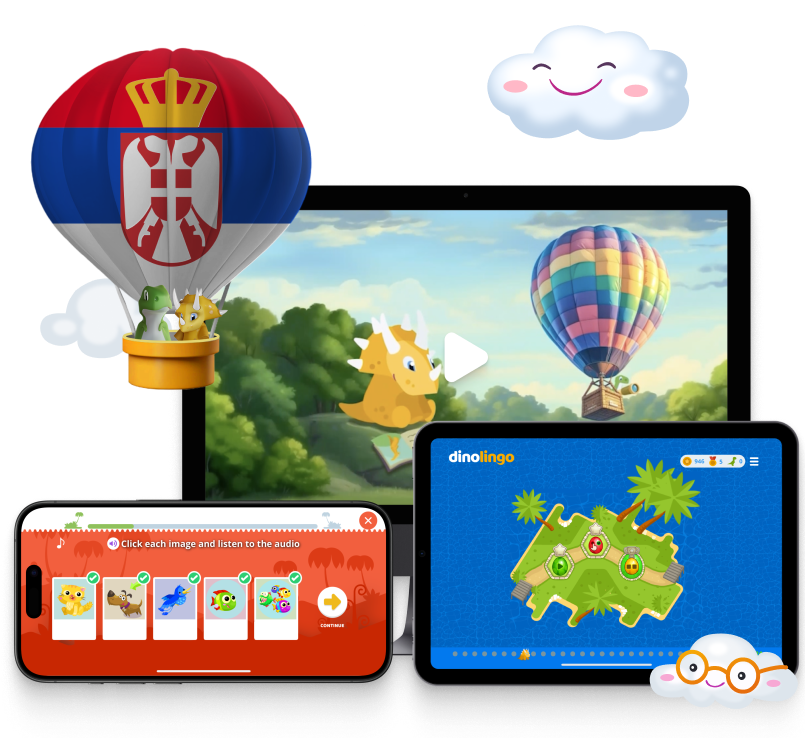
The Serbian Flag: Red, Blue, and White
The flag of Serbia has three equal horizontal bands. From top to bottom, the colors are:
- Red
- Blue
- White
These colors have been used in many versions of the Serbian flag over the years. The current form was officially adopted in November 2010. The red, blue, and white combination is shared by other Slavic countries too, and it reflects Serbia’s long history and traditions.
How the Serbian Government Works
Serbia is a parliamentary democracy. That means the people of the country have the power to vote for their leaders. In this system:
- The President is the head of state and is chosen by the people through popular vote.
- The Prime Minister and a group of leaders called cabinet members help run the country on a day-to-day basis.
This system helps ensure that many voices are heard when decisions are made. It’s an important part of how Serbia stays organized and fair for its citizens.
Note: As of today, the president may have changed since this writing, so always check for the most current information!
Colorful Serbia: Words That Paint a Picture
The red, blue, and white of the flag are only the beginning. Serbia is full of color: bright village embroidery, red-tiled rooftops, golden fields, and vibrant street art. Learning color words in Serbian helps children describe the world around them while adding fun and creativity to their vocabulary.
Basic Serbian Color Words for Kids
Here are some must-know colors:
- crvena – red
- plava – blue
- žuta – yellow
- zelena – green
- bela – white
- crna – black
These words are often used in games, crafts, and songs, which are great ways for kids to practice them naturally.
Colors in Culture
Serbian folk costumes feature bold color patterns that represent joy, nature, and family traditions. City walls also show creativity through colorful murals. Learning color words gives children the tools to talk about art, clothes, seasons, and feelings in Serbian. In Dinolingo’s Serbian course, color vocabulary is built into games, songs, and visuals that make language learning lively and fun.
From the Village to the City: What People Say in Serbia
Did you know people in different parts of Serbia speak a little differently? In cities like Belgrade, speech is more formal and modern. But in villages, you’ll hear warm, traditional phrases and unique regional words. For kids learning Serbian, this variety adds fun and depth to the language.
Village Talk vs. City Talk
Here are some interesting differences kids might notice:
- In the village, someone might say ‘đe si?’ instead of ‘gde si?’ (both mean “where are you?”)
- In the city, you might hear more borrowed words from English or international slang.
- Village phrases often sound softer and use more regional dialects or older expressions.
Learning both ways of speaking helps children understand Serbian as it’s really spoken in everyday life.
Why Regional Language Is Great for Learning
Hearing language in different settings helps kids become flexible listeners and confident speakers. It shows them that languages are alive and that it’s okay if people say things a little differently! Programs like Dinolingo’s Serbian course offer a wide variety of voices and vocabulary to reflect how Serbian sounds in many places.
Try These Fun Activities
Serbian Flag Art. Use red (crvena), blue (plava), and white (bela) to make a flag. Learn the words as you color!
Color Hunt Challenge. Call out a color in Serbian and let kids find something in the room that matches. Say the object and color out loud together.
Same Meaning, New Sound. Say a phrase in city Serbian and in a village version. Let kids guess if they mean the same thing or not!
Accent Adventure. Watch short clips of people speaking Serbian from different regions. Can kids mimic or repeat the differences?
Explore Serbia Through Language and Learning
Flags, colors, dialects, and government systems are just some of the exciting things children can discover when learning about Serbia. Language is a great way to connect these ideas and build a deeper understanding of the world.
With Dinolingo, children ages 2–14 can learn Serbian while also exploring Serbian culture, traditions, and daily life. Through animated videos, vocabulary games, printable worksheets, and songs, Dinolingo helps kids develop real-world language skills in a fun, age-appropriate way. The platform supports learning at home or on the go, and gives parents tools to track their child’s progress easily!