Top 10 Best Spanish Learning Apps for Kids in 2026
Learning Spanish at a young age can set children up for lifelong success in communication and cognitive skills. With technology advancing, there are now many engaging and interactive apps designed specifically for kids to learn Spanish in a fun way. Here’s a look at the top 10 best Spanish learning apps for kids, including Dinolingo, that make language learning an enjoyable journey.
1. Dinolingo
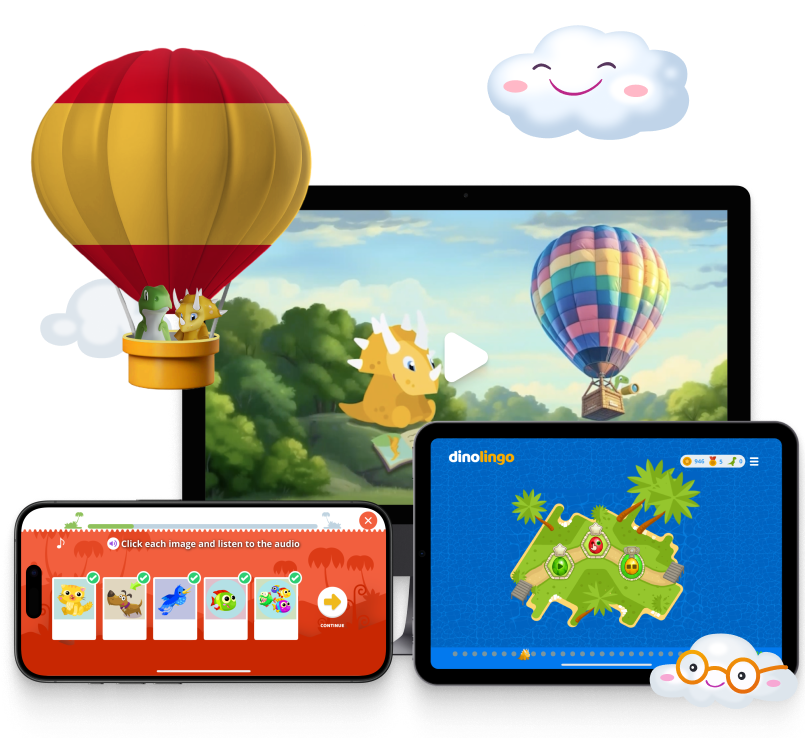
Dinolingo is a leading app that makes learning Spanish fun and effective for kids. It features over 35,000 activities, including videos, games, songs, and worksheets, tailored for young learners. The app uses a unique repetition method, introducing words in various contexts to reinforce learning. With engaging visuals and interactive content, Dinolingo is perfect for beginners and intermediate learners alike, making it a top choice for parents looking to teach their children Spanish.
Key Features:
- Over 1,200 Spanish activities
- Engaging videos, games, and songs
- Printable worksheets and flashcards
- Progress tracking for parents
Visit Website – Visit iOS App – Visit Android App
2. Duolingo Kids
Duolingo Kids brings the popular language learning approach of Duolingo to a younger audience. With its fun characters and colorful interface, Duolingo Kids makes learning Spanish accessible and enjoyable for kids. The app offers bite-sized lessons that build vocabulary and basic conversation skills through games and interactive exercises.
Key Features:
- Short, engaging lessons
- Gamified learning experience
- Progress tracking with rewards
Visit Website – Visit iOS App – Visit Android App
3. Gus on the Go
Gus on the Go is an excellent app for introducing kids to Spanish through adventure-based learning. The app uses stories and interactive games to teach vocabulary related to animals, food, numbers, and more. Gus on the Go also features fun animations and audio pronunciations to help kids master basic Spanish words.
Key Features:
- Adventure-based learning
- Interactive vocabulary games
- Audio pronunciations by native speakers
4. LingoKids
LingoKids offers a playful and engaging platform for kids to learn Spanish. The app combines educational games, videos, songs, and audiobooks to help children develop their Spanish skills. With content designed by educators, LingoKids adapts to each child’s learning pace, making it an excellent choice for personalized learning.
Key Features:
- Adaptive learning paths
- Fun games and songs
- Progress tracking and parent dashboard
5. ABCmouse Spanish
ABCmouse Spanish offers a comprehensive early learning experience with its engaging games, songs, and puzzles. The app is part of the broader ABCmouse learning platform and focuses on building foundational Spanish vocabulary through interactive lessons and activities suitable for kids aged 2-8.
Key Features:
6. Little Pim Spanish
Little Pim is a language learning app designed for very young children, focusing on the basics of Spanish through playful and engaging content. Using a lovable panda as the main character, Little Pim teaches everyday vocabulary through videos and interactive games, making it a great choice for preschoolers and early elementary students.
Key Features:
- Simple vocabulary building
- Videos featuring Little Pim the Panda
- Perfect for toddlers and preschoolers
7. Rosetta Stone
Rosetta Stone’s Kids Lingo Letter Sounds app introduces children to Spanish through a series of engaging activities focused on letter sounds and vocabulary. It’s ideal for younger children who are just starting to learn the basics of Spanish in a fun and interactive way.
Key Features:
- Focus on letter sounds and vocabulary
- Interactive games and activities
- Suitable for early learners
8. MindSnacks Spanish
MindSnacks Spanish offers a playful approach to language learning with its variety of educational games designed to build vocabulary, grammar, and listening skills. Each game is designed to reinforce key Spanish concepts, making learning fun and memorable.
Key Features:
- Variety of educational games
- Vocabulary and grammar focus
- Fun challenges and rewards
9. PBS Kids Games (Spanish Learning Section)
PBS Kids offers a section dedicated to Spanish learning games that feature popular characters from its shows. These games are designed to teach basic Spanish vocabulary in a fun, familiar context, making it ideal for preschoolers and early elementary-aged kids.
Key Features:
- Games with beloved PBS characters
- Basic vocabulary learning
- Suitable for younger children
10. Muzzy Spanish
Muzzy Spanish is a classic language learning program designed specifically for children. Known for its immersive and story-driven approach, Muzzy teaches Spanish through engaging videos, games, and songs featuring lovable animated characters. The program is ideal for young learners, offering a natural way to build vocabulary and understand basic conversations.
Key Features:
- Story-driven learning with animated characters
- Engaging videos and games
- Suitable for young beginners
Conclusion
These top 10 Spanish learning apps for kids provide a range of options to make language learning fun, interactive, and effective. Whether your child is just starting or looking to improve their Spanish skills, apps like Dinolingo, Duolingo Kids, and others on this list offer engaging ways to learn and practice Spanish at their own pace. Explore these apps to find the best fit for your child’s language learning journey!
Printable Spanish Worksheets for Fun Learning
Why Printables Work
Hands‑on sheets turn abstract vocabulary into colorful tasks kids can touch, color, and display, ideal for screen breaks or travel days.
1. Vocabulary Bingo Cards
Create 4×4 grids featuring picture clues for animals, foods, or feelings. Call words aloud (el gato, la manzana); kids cover the image and shout ¡Bingo! when they complete a row.
2. Word‑Search Puzzles
Hide themed sets, days of the week, classroom objects, in a letter grid. Searching reinforces spelling patterns and cements recognition.
3. Comic‑Strip Templates
Three blank panels invite kids to draw a mini‑story using target phrases like ¡Hola! and ¿Qué haces? Writing bubbles boost dialogue skills.
4. Cut‑and‑Match Flashcards
Print two sets: pictures and words. Children cut, shuffle, then race to pair el avión with its image, great for kinesthetic learners.
5. Board‑Game Paths
Design a simple snake‑style track where each square shows a prompt (cuenta hasta cinco, nombra un color). Dice rolls add excitement while recycling old vocabulary.
Dinolingo Boost
You can download ready‑made bingo boards, flashcards, and tracing sheets from Dinolingo’s awards & rewards kit perfect for quick print‑and‑play sessions that sync with your child’s online lessons. For quick printing instructions, check out this printable worksheet tutorial.
Tips for Making the Most of Printables
• Laminate popular sheets so they survive repeat practice with dry‑erase markers.
• Color Code difficulty, green border for easy nouns, blue for verbs.
• Display completed work on a “Spanish Wall” to celebrate achievements and prompt casual review.
Final Thoughts
Printable worksheets add tactile fun to Spanish study and slip easily into lunchboxes, waiting rooms, or rainy afternoons. Mix DIY sheets with Dinolingo’s downloadable resources to keep practice fresh and engaging all week long.
Sources
The Best Spanish Books for Early Learners
1. Oso pardo, oso pardo, ¿qué ves ahí? (Brown Bear, Brown Bear, What Do You See?)
Bill Martin Jr. & Eric Carle’s classic repeats color-and-animal patterns, perfect for toddlers naming rojo, azul, and amarillo along with the pictures.
2. La oruga muy hambrienta (The Very Hungry Caterpillar)
Days of the week and food words unfold in Eric Carle’s vibrant collage style. Count cinco naranjas before bedtime.
3. Buenas noches, Luna (Goodnight Moon)
Margaret Wise Brown’s soothing rhyme helps pre-readers learn bedtime objects like la luna, la vaca, and el cepillo while winding down.
4. First 100 Words Bilingual (Primeras 100 Palabras)
Thick board pages show everyday nouns with photos, great for label‑and‑touch games in the high‑chair stage.
5. Tito Puente, Rey del Mambo
A rhythmic biography by Monica Brown introduces musical verbs (tocar, bailar) and celebrates Latin culture.
6. El abecedario de los animales
Each letter pairs with an animal illustration, A de armadillo, B de ballena. Ideal for ABC tracing practice.
7. Si llevas un ratón a la escuela
Laura Numeroff’s circular story pattern reviews school vocabulary (mochila, lápiz) and predictions, kids guess what the mouse will want next.
8. Peppa Pig: ¡Hora de dormir!
Familiar characters make new words feel safe. Short sentences suit emerging readers tackling dialogue.
Tips for Reading Together
• Point to each picture while saying the word aloud.
• Act out verbs, pretend to chomp like the caterpillar or play drums like Tito.
• End with a one‑sentence recap: El oso vio un caballo azul.
Dinolingo Connection
Use the printable reading tracker inside Dinolingo to log each finished title. The app’s story mode echoes book the
mes with animated tales; kids earn badges for reusing vocabulary from their nightly reading list.
Final Thoughts
Choosing lively, repetitive stories turns page time into painless language practice. Mix these books into your bedtime stack, sprinkle in a quick Dinolingo story, and Spanish will bloom one colorful page at a time.
Source
Where to Find Free Spanish Resources Online for Kids
1. Spanish Playground (YouTube & Site)
Short stories, craft ideas, and song videos built by a Spanish teacher; playlists are sorted by theme (animals, seasons, numbers).
2. Rockalingua Free Songs Section
Dozens of animated music videos with on-screen lyrics. Kids can stream without sign-up and dance through vocabulary sets like colors and body parts.
3. PBS KIDS – ¡Vamos! Spanish Games
Interactive mini-games starring popular characters. Perfect bite-size practice for tablet time.
4. StoryPlace Español (Public Library of Charlotte)
Virtual storytimes with animated picture books, printable activity sheets, and simple crafts all in Spanish.
5. Colorín Colorado Family Materials
Downloadable alphabet charts, flashcards, and read-aloud guides curated for bilingual families.
6. Biblioteca Digital Mundial (World Digital Library)
Historic children’s tales and folktales in PDF; great for older learners looking for authentic texts.
7. Rockalingua Printable Worksheets
Free PDFs that match each song, lyric cloze, word searches, and coloring pages.
8. Dinolingo’s Free Trial Library
The first lesson of every language, including top sellers Spanish, French, German, Italian, and English, is open to explore animated stories, a sample game, and printable flashcards. Give it a spin before deciding on the full subscription.
Quick Tips for Using Free Resources
• Build a weekly playlist: two songs + one story video + one worksheet.
• Keep a notebook for new words; review during car rides.
• Rotate sites to maintain novelty and hit different skills, listening, reading, writing.
Final Thoughts
With these free online treasures and a sample taste of Dinolingo’s interactive library families can craft a rich Spanish learning routine without spending a peso.
Source
Flashcards, Sticky Notes, and Other DIY Tools to Learn Spanish
1. Index‑Card Flashcards
Fold a pack of colorful index cards in half; write the Spanish word on one side and draw (or print) a picture on the other. Use a hole‑punch and binder ring to create a flip‑book your child can carry to the grocery store or park.
2. Sticky‑Note Labelling
Cover household objects with removable notes, la nevera, el espejo, la puerta. Challenge kids to remove a note only after they can say the word three days in a row.
3. Magnetic Fridge Tiles
Convert old Scrabble tiles or printable magnets into Spanish letters. Build mini sentences, Yo como pan, while waiting for breakfast.
4. Vocabulary Memory Jar
Write each new word on a craft stick and drop it into a jar. Before bed, pull three sticks for a lightning‑round review.
5. Chalk‑Board Countdown
Paint a small section of wall with chalkboard paint. Each morning, add the “Word of the Day” and ask everyone to use it before dinner.
6. DIY Bingo Boards
Create 4×4 grids with theme pictures (animals, food). Call out the Spanish word, kids cover the square with coins or LEGO bricks.
7. Pocket‑Size Quiz Cards
Cut business‑card paper into blanks; jot a verb on front (correr) and its first‑person form (corro) on back. Perfect for car rides.
Dinolingo Connection
Print professionally illustrated flashcards and poster sets from the Dinolingo. Pair them with your DIY tools; the parent dashboard shows which printed word sets match this week’s online lessons, so hands‑on practice stays in sync.
Final Thoughts
DIY materials turn every corner of the house into a mini language lab. Combine homemade cards and labels with Dinolingo’s printable art, and you’ll layer repetition, movement, and fun key ingredients for lasting Spanish mastery.
Source
How to Use YouTube Safely for Spanish Learning
1. Set Up a Child‑Safe Viewing Environment
• Install YouTube Kids and enable age filters.
• Turn on restricted mode in regular YouTube to block flagged content.
• Create playlists of approved videos so kids aren’t sent down random rabbit holes.
2. Preview and Curate Content
Watch the first minute: is language level clear, visuals engaging, and tone gentle? Save only those videos to a private playlist.
3. Balance Screen Time with Interaction
Pause after catchy phrases like ¿Cómo te llamas? and have your child repeat or answer. Active engagement converts passive watching into practice.
4. Five Kid‑Friendly Spanish Channels
- Spanish Playground – Short stories, songs, and craft ideas designed by a Spanish teacher; ideal for ages 4–10.
- Rockalingua – Animated music videos that teach numbers, colors, and everyday phrases through catchy tunes.
- Calico Spanish – Friendly puppet skits and beginner lessons with clear, slow pronunciation.
- Basho & Friends – Hip‑hop‑inspired songs that get kids moving while learning vocabulary.
- Super Simple Español – Simplified nursery rhymes and finger‑play songs perfect for toddlers and pre‑readers.
5. Integrate with Off‑Screen Practice
After watching a Rockalingua song about colors, hunt for objects around the house and name them in Spanish. Reinforcement locks new words into memory.
6. Track Progress and Fill Gaps
Complement video playlists with five‑minute review games on Dinolingo the parent dashboard shows which words need extra practice.
Final Thoughts
YouTube can be a powerful, free boost to Spanish learning as long as parents curate channels and stay involved. Combine safe viewing habits with interactive follow‑ups and Dinolingo’s structured reviews, and screen time will translate into real‑world vocabulary gains.
Sources
Spanish Learning Kits: What to Look For
From subscription boxes to printable bundles, Spanish learning kits can turn any coffee table into a mini language lab if you know what to look for.
1. Age‑Specific Content
Choose kits that label activities by developmental stage. Pre‑readers (2–5) need large picture cards and tracing mats; ages 6–10 benefit from simple readers; tweens (11–14) like project prompts and mini grammar guides.
2. Multisensory Materials
Look for a mix of tactile flashcards, audio tracks, and coloring pages. Hands, ears, and eyes working together speed retention.
3. Structured Progression
Quality kits introduce 5–7 words per theme and revisit them in puzzles, songs, and short quizzes, mimicking spaced repetition.
4. Clear Parent Guide
Step‑by‑step lesson cards or QR codes to demo videos prevent “now what?” uncertainty on busy evenings.
5. Cultural Extras
Stickers of world flags, simple recipes, or craft ideas, small touches that connect vocabulary to real‑world context.
6. Reusable Components
Dry‑erase sheets, laminated bingo boards, or magnetic word tiles stretch the kit’s life (and your budget).
7. Digital Companion
A companion app or website keeps practice fresh. After hands‑on play, a five‑minute game reinforces the same words with interactive feedback.
Spotlight: Dinolingo Offline Kit
Families who subscribe to Dinolingo can print 40 000+ flashcards, posters, bingo boards, and handwriting sheets matched to 50+ languages, including top sellers Spanish, French, German, Italian, and English. One account supports up to six kids, and the parent dashboard shows which printable sets align with each child’s current online unit.
Final Thoughts
A great Spanish kit feels like a toy chest, not a textbook. Prioritize age fit, multisensory play, and clear guidance, then layer in Dinolingo’s printable library or another digital partner for a complete, flexible learning ecosystem.
Source