
50 Spanish Boy and Girl Names

Looking for Spanish baby names that sound beautiful and feel meaningful? This list shares popular Spanish boy and girl names that parents love for their sound, history, and meaning. If you want a quick Spanish names list for your family, you are in the right place. Table of Contents

Why Spanish Names Are Meaningful

Spanish names often carry clear meanings, family traditions, and cultural history. Some are tied to faith, others highlight character, and many are inspired by nature. Knowing the meaning of Spanish names helps families pick a name that feels personal and lasting.

Spanish Girl and Boy Names

Below is a Spanish names list with popular Spanish girl names and Spanish boy names. Use the list to explore sounds, meanings, and spelling variations.

Girls’ Names

    1. Sofia
    1. Isabella
    1. Camila
    1. Valentina
    1. Valeria
    1. Mariana
    1. Luciana
    1. Daniela
    1. Gabriela
    1. Victoria
    1. Martina
    1. Lucia
    1. Ximena/Jimena
    1. Sara
    1. Samantha
    1. Maria José
    1. Emma
    1. Catalina
    1. Julieta
    1. Mía
    1. Antonella
    1. Renata
    1. Emilia
    1. Natalia
    1. Zoe
    1. Nicole
    1. Paula
    1. Amanda
    1. María Fernanda
    1. Emily
    1. Antonia
    1. Alejandra
    1. Juana
    1. Andrea
    1. Manuela
    1. Ana Sofia
    1. Guadalupe
    1. Agustina
    1. Elena
    1. María
    1. Bianca
    1. Ariana
    1. Ivanna
    1. Abril
    1. Florencia
    1. Carolina
    1. Maite
    1. Rafaela
    1. Regina
    1. Adriana

Boys’ Names

    1. Santiago
    1. Sebastián
    1. Matías
    1. Mateo
    1. Nicolás
    1. Alejandro
    1. Diego
    1. Samuel
    1. Benjamín
    1. Daniel
    1. Joaquín
    1. Lucas
    1. Tomas
    1. Gabriel
    1. Martín
    1. David
    1. Emiliano
    1. Jerónimo
    1. Emmanuel
    1. Agustín
    1. Juan Pablo
    1. Juan José
    1. Andrés
    1. Thiago
    1. Leonardo
    1. Felipe
    1. Ángel
    1. Maximiliano
    1. Christopher
    1. Juan Diego
    1. Adrián
    1. Pablo
    1. Miguel Ángel
    1. Rodrigo
    1. Alexander
    1. Ignacio
    1. Emilio
    1. Dylan
    1. Bruno
    1. Carlos
    1. Vicente
    1. Valentino
    1. Santino
    1. Julián
    1. Juan Sebastián
    1. Aarón
    1. Lautaro
    1. Axel
    1. Fernando
    1. Ian

Tips for Choosing Spanish Names

Choosing the right Spanish name is easier when you focus on meaning, sound, and family traditions. Here are a few quick tips:
  • Say the name out loud to test pronunciation in both Spanish and English.
  • Read the meaning so you understand the message behind the name.
  • Check spelling variations across regions.
  • Choose a name that feels natural for your child and your family.
Explore Spanish language and culture with your child:

Learn Spanish for Kids

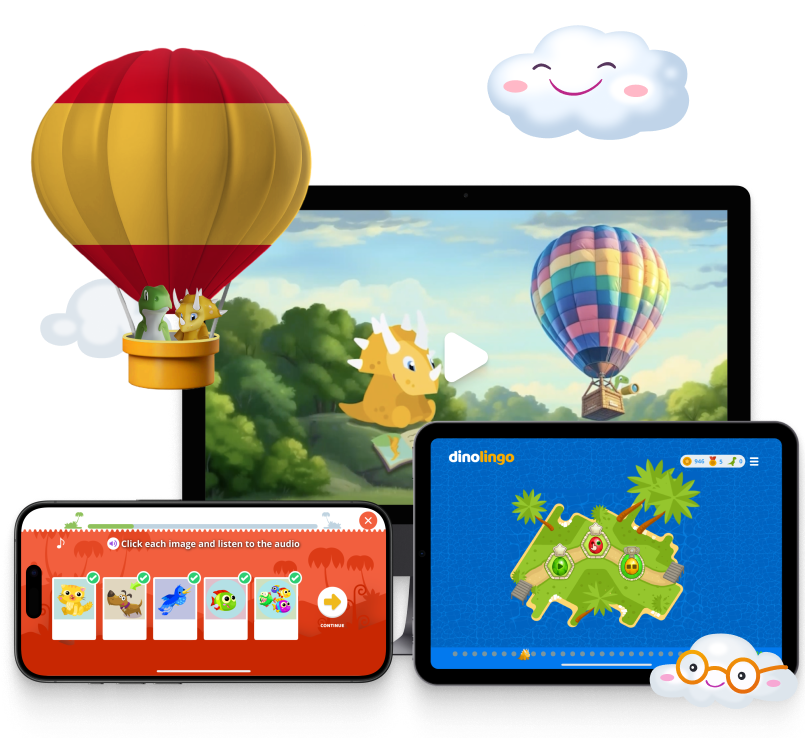
Names are a great starting point, but kids learn Spanish best through play, music, and stories. Dinolingo offers a full Spanish program for ages 2 to 14 with songs, games, stories, and flashcards. It works on web, iOS, and Android and supports families at every stage.
Learn Spanish for Kids – Fun Spanish Lessons

Dinolingo – #1 Language Learning App for Kids Ages 2-14

$19/month · Cancel Anytime
Not sure where to begin? Start with small steps and build confidence over time:

FAQ

Are Spanish baby names tied to religion?

Some Spanish baby names are religious, but many are cultural or describe values and nature. You can choose a name based on meaning, sound, or family tradition.

Do Spanish names change spelling by region?

Yes. Spanish names often have spelling variations in different countries. This is normal and does not change the meaning.

How do I pronounce Spanish names in English?

Use a simple phonetic spelling and say the name out loud. Listening to native speakers can also help.

Can Spanish names be unisex?

Some Spanish names can be used for boys or girls, but many are traditionally gendered. Check the meaning and usage in your region.
This image has an empty alt attribute; its file name is dinolingo-logo-mascot-square-2.png
Online Spanish lessons for kids: dinolingo.com

Setting Spanish Learning Goals as a Family

1. Hold a Family “Goal-Setting Huddle”

Gather around the table and talk about why Spanish matters vacation, heritage, or classroom success. Agreeing on purpose bonds everyone to the plan.

2. Pick a Shared Theme for the Month

Animals, food, or travel? Choose one and list 20 Spanish words. Post the list on the fridge so every family member sees the target vocabulary daily.

3. Break Goals Into Three Levels

LevelExample GoalCheck-in
Youngest (2–5)Say 5 animal wordsSticker chart
Elementary (6–10)Read one mini-story with the themeFriday quiz
Tweens/ParentsWrite a 6-sentence diary entrySunday share-out

4. Schedule Weekly Review Rituals

Movie Monday (Spanish dub), Worksheet Wednesday, and Song Saturday. Consistent structure removes guesswork.

5. Reward Team Achievements, Not Just Individuals

When everyone meets their tier, host a themed taco night or extra park trip. Collective rewards build accountability and cheerleading.

6. Track Progress in One Place

Use a giant wall calendar: color-code each member’s goals and mark completion with icons—stars, hearts, or dinosaur stickers.

7. Sync With Dinolingo’s Family Plan

One Dinolingo family plan covers up to six profiles. Assign the same theme unit to each user; the parent dashboard shows individual accuracy and totals the group streak—perfect data for the next huddle.

8. Reflect and Refresh

End the month by asking: ¿Qué aprendimos? Slide mastered words into a “We Did It” jar and pick a fresh theme for the next round.

Final Thoughts

Shared goals turn Spanish from a solo task into a family adventure. Outline clear targets, celebrate team wins, and let Dinolingo’s group stats keep momentum rolling.

Source

Learn Spanish for Kids – Fun Spanish Lessons

Dinolingo – #1 Language Learning App for Kids Ages 2-14

$19/month · Cancel Anytime

Top 10 Questions About Spanish Learning for Kids

1. Why should my child learn Spanish?

Answer: Learning Spanish can provide numerous benefits for children, including enhanced cognitive abilities, improved academic performance, and better job prospects in the future. Spanish is the second most spoken language in the world, making it a valuable skill for travel and cultural understanding.

2. What is the best age for my child to start learning Spanish?

Answer: Children can start learning Spanish as early as infancy. Research shows that young children have a natural ability to acquire new languages, and the earlier they start, the easier it is for them to achieve fluency. However, it’s never too late to begin, and older children can also benefit greatly from learning Spanish.

3. How can I choose the right Spanish learning program for my child?

Answer: When choosing a Spanish learning program, consider factors such as the program’s teaching methodology, the qualifications of the instructors, the availability of interactive and engaging materials, and reviews from other parents. Look for programs that offer a free trial so you can assess whether it suits your child’s learning style and interests.

4. Is it necessary for my child to have a teacher or can they learn Spanish on their own?

Answer: While self-directed learning programs like DinoLingo Spanish can be very effective for beginners, having a teacher or instructor can provide additional benefits. A teacher can offer personalized guidance, address specific challenges, and ensure consistent progress. Combining self-learning with occasional tutoring can be a balanced approach.

5. How much time should my child spend learning Spanish each day?

Answer: Consistency is key in language learning. For younger children, 15-20 minutes a day can be sufficient, while older children might benefit from 30-60 minutes of practice. The goal is to make learning a part of their daily routine without making it feel like a chore.

6. What types of activities are most effective for teaching Spanish to children?

Answer: Engaging and interactive activities are most effective for teaching Spanish to children. These can include songs, games, videos, storytelling, and flashcards. Programs like DinoLingo offer a variety of activities that cater to different learning styles and keep children motivated and entertained.

7. Can my child learn Spanish even if no one in the family speaks it?

Answer: Yes, children can learn Spanish even if no one in the family speaks it. Many programs provide comprehensive resources that allow children to practice and learn independently. Parents can support their child’s learning by encouraging practice, providing additional resources, and showing interest in their progress.

8. Are there any free resources available for learning Spanish?

Answer: Yes, there are many free resources available for learning Spanish. Websites, apps, YouTube channels, and public libraries often offer free materials. Additionally, programs like DinoLingo provide free trials that allow you to explore their resources before committing to a subscription.

9. How can I ensure my child stays motivated to learn Spanish?

Answer: Keeping your child motivated to learn Spanish involves making the learning process fun and rewarding. Use a variety of activities to keep things interesting, set achievable goals, celebrate their progress, and incorporate Spanish into everyday activities, such as watching cartoons in Spanish or cooking a Spanish recipe together.

10. What should I look for in a Spanish learning program’s curriculum?

Answer: A good Spanish learning program should offer a structured curriculum that covers vocabulary, grammar, pronunciation, and cultural aspects. It should include interactive and multimedia elements to engage children and provide ample opportunities for practice and reinforcement. Look for programs that offer progress tracking and feedback to help monitor your child’s development.

Learn Spanish for Kids – Fun Spanish Lessons

Dinolingo – #1 Language Learning App for Kids Ages 2-14

$19/month · Cancel Anytime
>
4.1/5 - (48 votes)

Leave a Comment

Your email address will not be published. Required fields are marked *

Scroll to Top